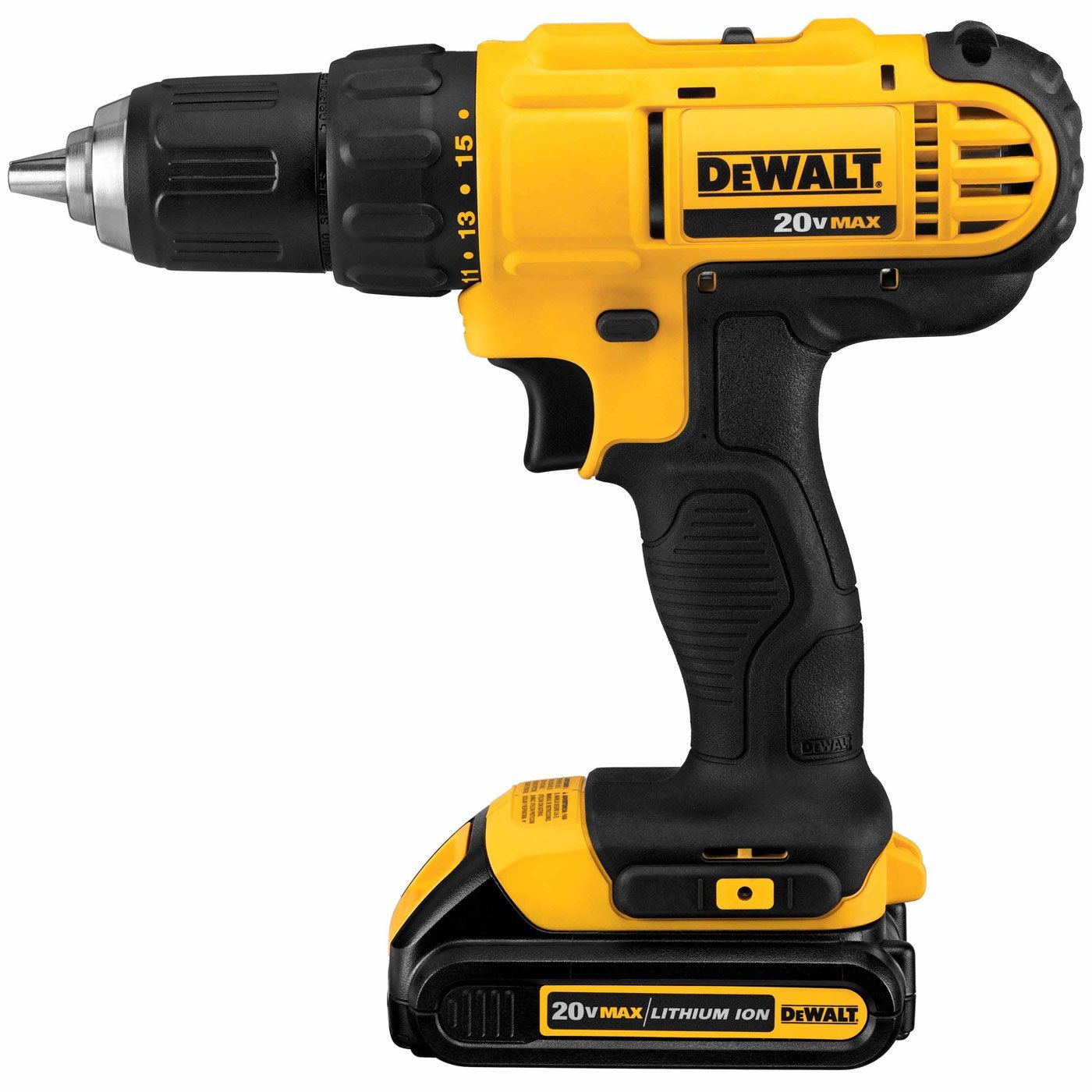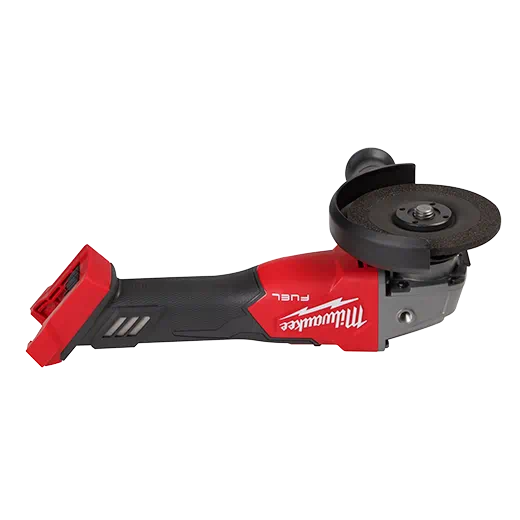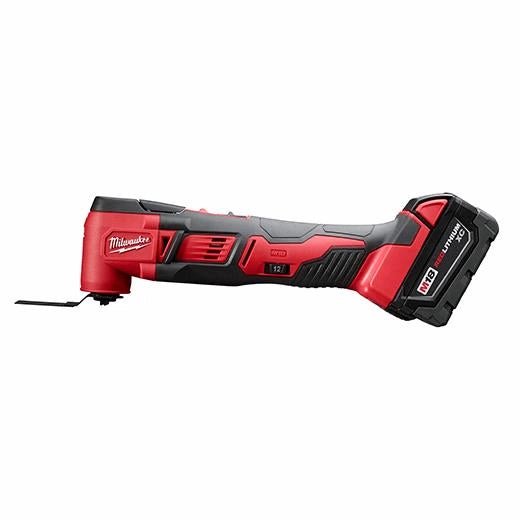
Two World-Class Tool Ecosystems
Makita and Milwaukee are both founded on Japanese-influenced engineering precision, both produce tools trusted by professional tradespeople across every construction and maintenance trade, and both have battery ecosystems deep enough to cover the most diverse professional tool requirements. Yet they have genuinely different strengths, different design philosophies, and different ideal use cases. This comprehensive comparison covers every dimension that matters for making a long-term platform decision.
Company Background and Engineering Philosophy
Makita was founded in 1915 in Nagoya, Japan and has been manufacturing professional tools since before most competitors existed. The brand’s philosophy centers on precision manufacturing, refined engineering, and ecosystem breadth — building the world’s largest 18V cordless tool system rather than maximizing performance in any individual tool category. Makita tools earn their reputation through consistency and refinement rather than specification leadership.
Milwaukee Tool was founded in 1924 in Milwaukee, Wisconsin and has evolved into the most technologically innovative professional tool brand in the industry. Milwaukee’s philosophy centers on solving specific trade problems with purpose-built tools and advancing electronic sophistication — the POWERSTATE motor system, REDLINK PLUS electronics, ONE-KEY connectivity, and the M12 trade-specific tool ecosystem represent consistent investment in features that improve professional productivity rather than simply impressive specification numbers.
Battery Platform Architecture
Makita 18V LXT: The world’s largest 18V cordless tool system with over 280 compatible tools. A single battery format covers drills, saws, grinders, nailers, outdoor power equipment, dust collection, vacuums, fans, lights, and dozens of trade-specific tools. Battery options from 2Ah to 6Ah. Star Protection Computer Controls manage real-time battery-tool communication. The LXT platform has been developing since 2005 — two decades of ecosystem maturation produce depth that newer platforms can’t match in specialty tool categories.
Makita also offers 40V XGT for high-power applications (separate battery, not LXT-compatible) and 12V CXT for ultra-compact work (approximately 50 tools, separate battery format). XGT provides genuine performance advantages in specific high-demand tools; CXT covers basics for compact work but lacks the depth of Milwaukee’s M12.
Milwaukee M18 + M12: M18 covers 200+ tools with HIGH OUTPUT batteries (8Ah, 12Ah) pushing performance to near-corded levels. M12 covers 100+ compact tools with unique trade-specific instruments — plumbing expansion tools, copper pipe cutters, automotive ratchets, inspection cameras — that have no Makita equivalent at any voltage. FORGE battery chemistry extends performance in extreme temperatures.
Ecosystem breadth verdict: Makita wins (280 LXT vs 200 M18 tools on the primary platform).
Compact specialty tool depth: Milwaukee wins (100+ M12 tools vs 50 CXT tools, with unique trade instruments).
Performance Head-to-Head
Drill/Driver: Milwaukee M18 FUEL 2904-20 (1,200 in-lbs, all-metal chuck) vs Makita XFD14Z (530 in-lbs, 16-position precision clutch). Milwaukee wins on peak torque by more than 2:1 — a meaningful difference for structural fastening and sustained heavy drilling. Makita wins on clutch precision — the XFD14Z’s low-range calibration is the best in any professional drill, providing genuinely distinct control positions from 1 through 6 that enable driving precision Milwaukee can’t match at low clutch settings. Heavy structural work: Milwaukee. Woodworking and precision driving: Makita.
Impact Driver: Milwaukee M18 FUEL 2953-20 (2,000 in-lbs, 4-mode DRIVE CONTROL) vs Makita XDT16Z (1,500 in-lbs, 4-speed Assist Mode). Milwaukee leads on peak torque; both have excellent multi-speed precision systems. Makita’s Assist Mode prevents cam-out and stripping on small fasteners more reliably in real-world use. High-volume structural fastening: Milwaukee. Finish work and small fastener driving: Makita.
Circular Saw: Milwaukee M18 FUEL 2732-20 (7.25″, 5,800 RPM) vs Makita XSS02Z (6.5″, 5,200 RPM) or GSH01Z XGT (7.25″, 40V). Milwaukee wins on blade size and RPM on M18. Makita’s XGT grinder delivers comparable high-power performance but requires a separate battery investment. For framing and heavy cutting: Milwaukee. For compact, lightweight cutting where blade size isn’t critical: Makita’s 6.5″ LXT saw at 3.9 lbs handles standard dimensional lumber efficiently.
Miter Saw: Milwaukee 6955-20 (12″, linear ball bearing slides, excellent production cut consistency) vs Makita LS1019L (10″, linear ball bearing slides, exceptional cut quality through drive precision). Both are excellent professional tools. The Makita LS1019L produces marginally smoother cuts in controlled comparisons due to its direct-drive precision. The Milwaukee handles wider stock with 12″ capacity. For shops and finish carpenters: Makita LS1019L’s cut quality and 10″ capacity cover most applications. For framing and wider stock: Milwaukee.
Grinder: Milwaukee M18 FUEL 2780-20 (10,000 RPM, ANTI-KICKBACK) vs Makita XAG20Z (variable speed 2,500–8,500 RPM, LXT). Milwaukee wins on maximum RPM. Makita wins on variable-speed versatility — the ability to reduce speed for polishing stainless, grinding aluminum, and surface conditioning work where 10,000 RPM would damage the workpiece. Fixed-speed metalwork and fabrication: Milwaukee. Variable-speed finishing and sensitive surface work: Makita.
Rotary Hammer: Milwaukee M18 FUEL 2712-20 (2.0 joules, SDS-Plus) vs Makita XRH06Z (1.5 joules, LXT SDS-Plus). Milwaukee’s higher impact energy drills concrete approximately 25% faster in standard tests. For crews doing regular anchor work: Milwaukee. For occasional masonry drilling: Makita’s LXT SDS-Plus is adequate and keeps everything on one battery platform.
Where Makita Clearly Leads
Clutch precision: Makita’s 16-position LXT clutch has the finest low-range calibration in any professional drill. This is not a marginal difference — for woodworking and cabinet installation, the ability to consistently drive screws to precise depth without overdriving or under-driving in various wood densities is a daily quality differentiator.
Ecosystem breadth: 280 LXT tools covering applications that no competitor’s single-voltage platform matches. Outdoor power equipment (chainsaw, trimmer, blower, hedge trimmer, pressure washer) all on LXT batteries. Specialty woodworking tools. Full dust management system. For professionals running diverse tool requirements, no single battery platform offers more flexibility.
Variable-speed tools: Makita’s variable-speed grinders, sanders, and oscillating tools offer more granular speed control than Milwaukee equivalents in the LXT lineup. For applications where speed matching to material is important — polishing, sensitive surface grinding, detail sanding — Makita’s tool control is superior.
Where Milwaukee Clearly Leads
Raw performance in M18 FUEL: Higher peak torque in drills (1,200 vs 530 in-lbs), higher impact energy in rotary hammers (2.0 vs 1.5 joules), higher RPM in grinders (10,000 vs 8,500). Milwaukee’s POWERSTATE motor engineering consistently produces higher output from the M18 platform than Makita achieves on LXT.
M12 trade-specific tools: The plumbing expansion tools, copper cutters, automotive ratchets, and inspection cameras on M12 have no Makita CXT equivalents. For electricians, plumbers, HVAC technicians, and automotive mechanics, Milwaukee’s M12 ecosystem provides professional instruments that simply don’t exist in the Makita lineup.
ONE-KEY and fleet management: GPS asset tracking, remote locking, usage reporting, and maintenance scheduling. For contractors managing large tool fleets, ONE-KEY is a genuine operational advantage with no Makita equivalent.
PACKOUT storage: Milwaukee’s PACKOUT system has more accessories, wider professional adoption, and vehicle integration capabilities that Makita’s MAKPAC system doesn’t match.
Storage Systems
Milwaukee PACKOUT (IP54, 250-lb capacity, positive locking, truck rack integration) is the better-developed modular storage system. MAKPAC is compatible with Festool Systainer format, which can be an advantage for woodworking shops with existing Festool investment, but PACKOUT outperforms MAKPAC in jobsite durability, ecosystem depth, and vehicle integration.
The Decision
Choose Makita for: woodworking and cabinet shops (precision clutch), multi-trade operations wanting maximum single-voltage ecosystem breadth (280 LXT tools), variable-speed applications, professionals who value refined Japanese engineering quality. Choose Milwaukee for: maximum performance from M18 FUEL, M12 trade-specific tools for plumbing/HVAC/automotive, ONE-KEY fleet management, sustained heavy-duty structural work. Find both complete lineups at Pro Tools Hub.