The Battle of the Jobsite Giants
If you’ve spent any time on a jobsite or in a workshop, you know the drill/driver debate never really ends. DeWALT and Milwaukee have been trading blows for decades, and in 2026, both brands have raised the bar significantly. Whether you’re a weekend DIYer or a full-time contractor, choosing the right drill/driver can affect your productivity, fatigue levels, and even the quality of your finished work. Let’s break it down honestly.
DeWALT DCD800: The Workhorse Redefined
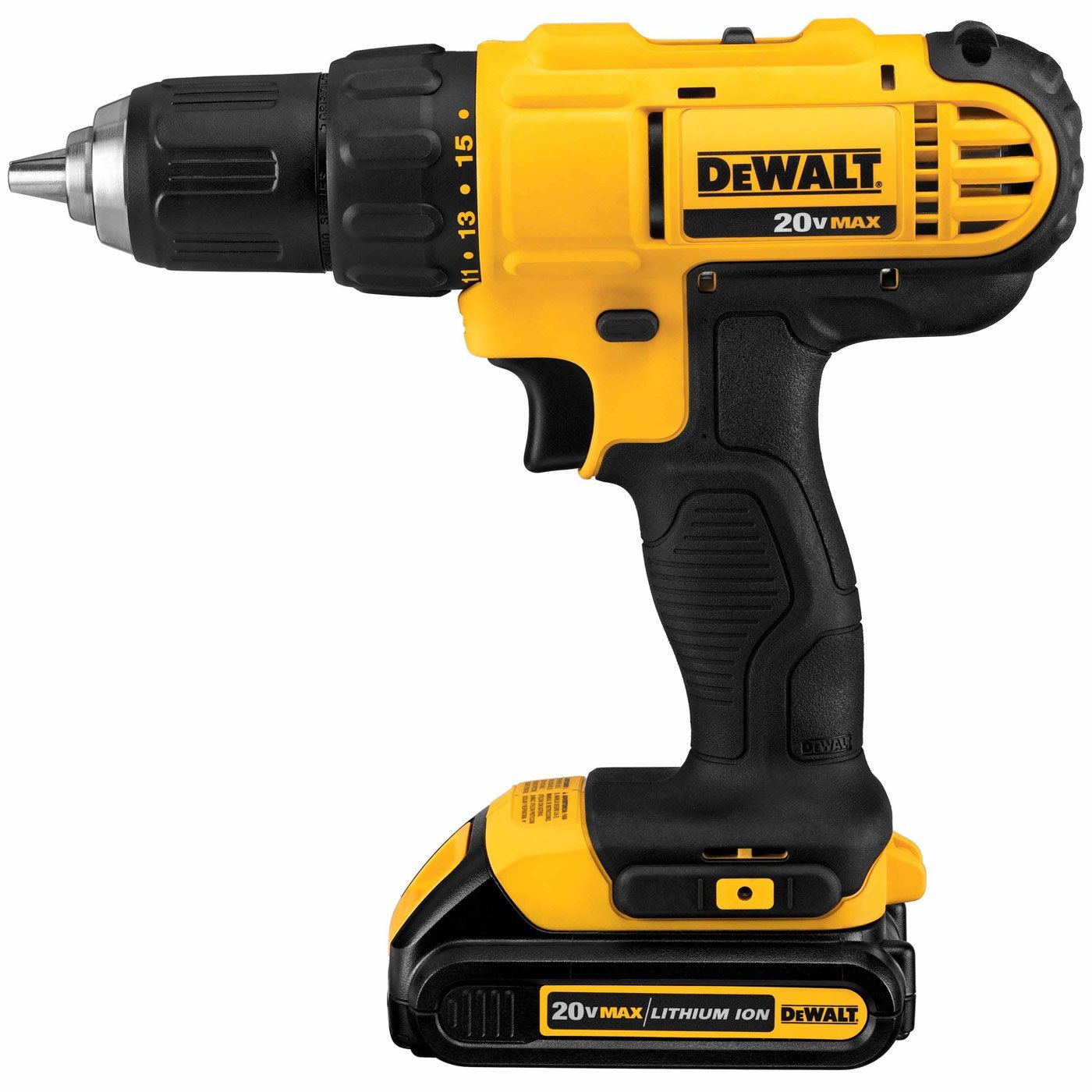
DeWALT’s flagship 20V MAX XR DCD800 continues to dominate contractor toolboxes. It delivers up to 500 UWO (Unit Watts Out) of power with a brushless motor, weighs just 1.87 lbs (tool only), and runs on the widely compatible 20V MAX battery platform. The two-speed gearbox gives you 0–550 RPM in low and 0–2,000 RPM in high, making it equally comfortable driving 3-inch deck screws or threading delicate cabinet hardware.
The DCD800’s compact form factor — just 6.9 inches long — is a genuine advantage in tight spaces like wall cavities and overhead joists. The LED work light illuminates without washing out your target, and the belt hook is ambidextrous. At around $149 bare tool, it’s competitively priced for its performance tier.
Milwaukee M18 FUEL 2904-20: Built for Punishment
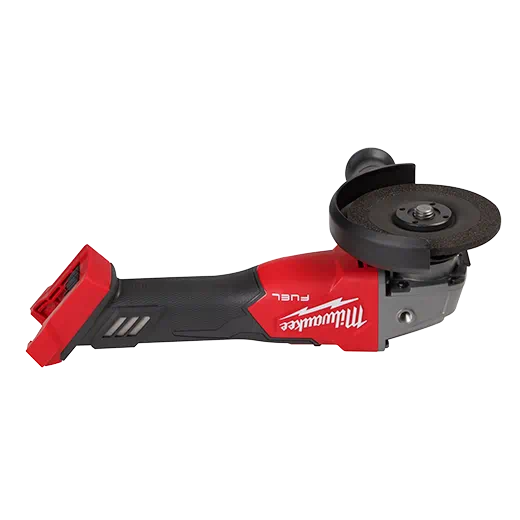
Milwaukee’s M18 FUEL 2904-20 (with HAMMERDRILL functionality) punches back hard. It produces 1,200 in-lbs of torque — among the highest in its class — powered by Milwaukee’s 4th-generation POWERSTATE brushless motor. The all-metal chuck handles constant jarring better than plastic-collar alternatives, and the REDLINK PLUS intelligence system manages heat and overload in real time to protect both tool and battery.
At 2.08 lbs, it’s slightly heavier than the DeWALT, but that extra weight is mostly motor and metal — built to last on high-volume sites. The M18 FUEL also features 13 clutch settings plus a drill mode, giving you fine-grained torque control for everything from finish work to structural drilling. Bare tool price runs about $179.
Battery Platform: A Critical Decision
This is often the real deciding factor. If you’re already on DeWALT’s 20V MAX ecosystem — with batteries powering your circular saw, grinder, and jobsite light — adding the DCD800 is seamless and cost-effective. DeWALT’s POWERSTACK compact batteries now deliver serious runtime in a tiny package.
Milwaukee’s M18 platform is equally mature, arguably the broadest cordless ecosystem available. Their HIGH OUTPUT batteries (up to 12Ah) push the FUEL tools harder than the competition. If you’re building a fleet from scratch, Milwaukee’s platform breadth is tough to beat.
Head-to-Head: Real-World Performance
In speed-driving tests (driving 3-inch screws into LVL beam), both tools perform within seconds of each other. The Milwaukee edges ahead on sustained heavy driving — its thermal management means it won’t throttle as quickly during back-to-back runs. The DeWALT wins on weight and ergonomics for all-day overhead work, where even 0.2 lbs matters by hour four.
For precision work — furniture assembly, cabinet installation, trim carpentry — both tools offer enough clutch granularity to avoid cam-out and overdriving. The DeWALT’s slightly lighter trigger feel gives it a marginal edge for finesse applications.
Durability and Warranty
Both brands back their tools with a 3-year limited warranty and 1-year free service. Both have extensive service center networks. Milwaukee’s all-metal chuck wins on long-term durability for high-impact environments; DeWALT’s overall build quality is excellent for general-purpose use.
Which Should You Buy?
Choose the DeWALT DCD800 if: you prioritize light weight for overhead or all-day use, you’re already in the 20V ecosystem, or you’re budget-conscious without sacrificing quality.
Choose the Milwaukee M18 FUEL 2904-20 if: you drive high volumes of fasteners daily, work in demanding environments where thermal management matters, or want the broadest battery ecosystem for future tool purchases.
Either way, you’re getting a professional-grade tool that will outlast most jobs you throw at it. Browse both options — plus their compatible batteries and accessories — at Pro Tools Hub, where our team can help you find the right kit for your specific workflow.