Two Premier Tool Platforms: The Complete Comparison
Makita and DeWALT are two of the most trusted professional tool brands globally, and choosing between their ecosystems is one of the most consequential long-term tool decisions a professional can make. Both have deep battery platforms, professional-grade tools across every category, strong warranty support, and decades of professional adoption. The differences between them are real but specific — each brand has distinct advantages in different application areas. This comprehensive comparison covers every relevant dimension.
Engineering Philosophy and Brand Heritage
Makita, founded in 1915 in Nagoya, Japan, brings over a century of precision manufacturing heritage to its tool lineup. The brand’s philosophy emphasizes ecosystem breadth, precision engineering (particularly in clutch design and variable-speed control), and reliability through refinement. Makita tools earn their professional reputation through consistency and refined feel rather than peak specification leadership.
DeWALT, founded in 1923 in the United States, brings a century of North American professional tool heritage. The brand’s modern engineering focus is on battery architecture innovation (FLEXVOLT, POWERSTACK) and building the deepest single-battery-system in the 20V platform. DeWALT’s professional reputation is strongest in the electrical trade and finish carpentry, where the DCD800 drill and DWS780 miter saw have become industry standards.
Battery Platform Architecture: The Foundation of the Decision
Makita 18V LXT + 40V XGT + 12V CXT:
The LXT platform covers over 280 tools on a single 18V battery format — the world’s largest 18V cordless system. This breadth covers every professional application from compact drills to outdoor power equipment, dust collectors, and trade-specific tools. Battery options from 2Ah to 6Ah with Rapid Optimum Chargers that charge a 5Ah battery in 45 minutes with temperature monitoring during charging.
XGT (40V) extends the platform for high-power applications where LXT reaches its performance ceiling — 7.25″ circular saws, large grinders, heavy-duty rotary hammers. XGT uses a separate battery format, so adding XGT tools means managing a second battery ecosystem. Standard XGT batteries: 2.5Ah and 4Ah.
CXT (12V) provides ultra-compact tools for tight-space applications. Approximately 50 tools available — sufficient for basic compact work but significantly less developed than Milwaukee’s M12 platform.
DeWALT 20V MAX + FLEXVOLT + XTREME 12V:
The 20V MAX core platform covers 200+ tools with full cross-compatibility. POWERSTACK battery technology (stacked pouch cells) delivers more energy in a smaller, lighter package than traditional cylindrical-cell batteries. FLEXVOLT (60V/20V) extends the platform with batteries that automatically switch between 20V in standard tools and 60V in dedicated FLEXVOLT tools. This backward compatibility means FLEXVOLT batteries serve as high-performance 20V batteries while also enabling 60V high-power tools — a battery investment that serves both platform tiers simultaneously.
XTREME 12V adds approximately 50 ultra-compact tools on a separate battery format — comparable in depth to Makita’s CXT but less developed than Milwaukee’s M12.
Key platform comparison:
Ecosystem breadth: Makita wins (280+ LXT vs 200+ 20V MAX).
High-power extension: DeWALT wins (FLEXVOLT 60V backward-compatible vs XGT 40V separate investment).
Compact platform: Comparable (both ~50 tools, neither as developed as Milwaukee M12).
Performance Category Comparisons
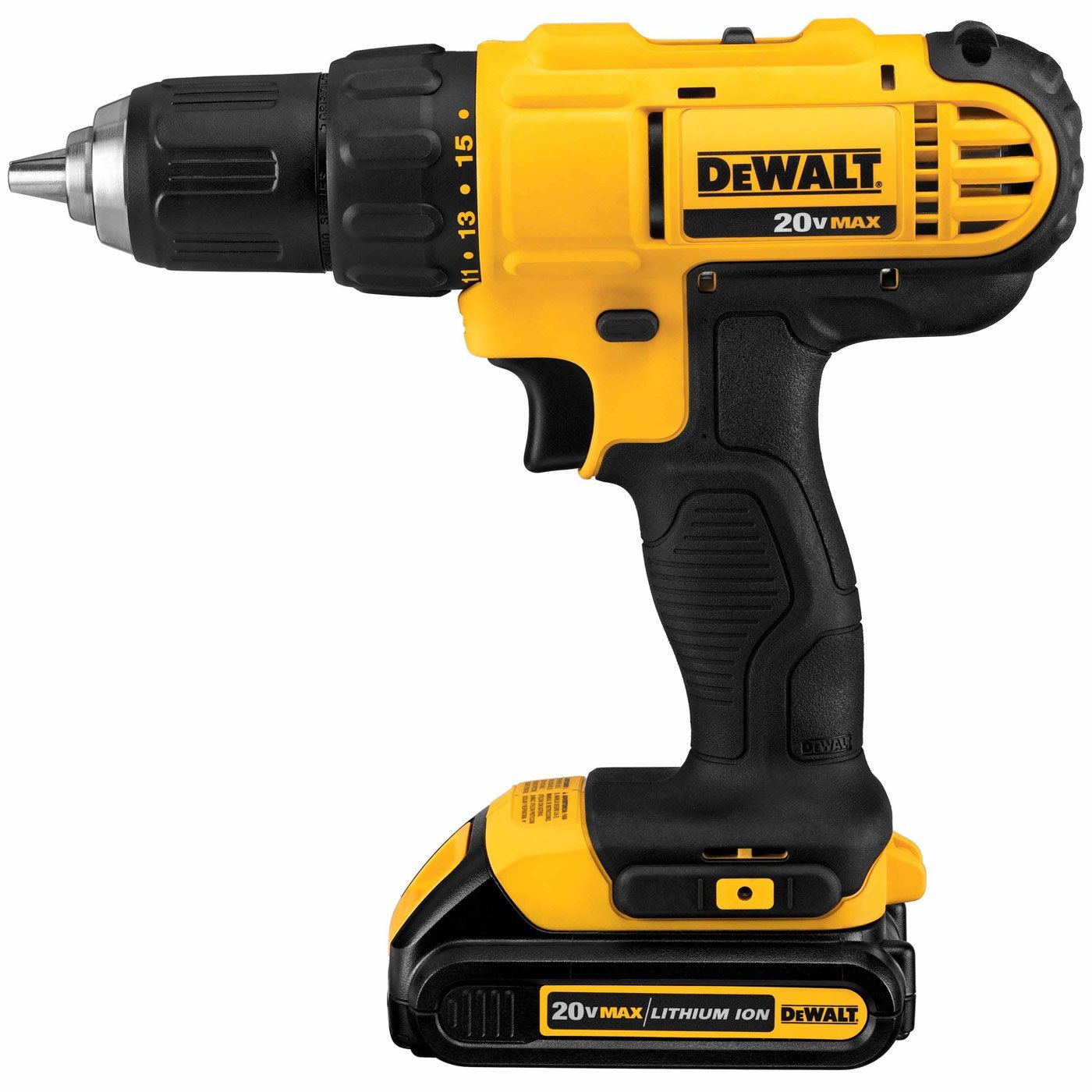
Drill/Driver: DeWALT DCD800 (650 in-lbs, 1.87 lbs, 6.9″) vs Makita XFD14Z (530 in-lbs, 16-position precision clutch). DeWALT delivers more torque and a lighter, more compact body. Makita delivers superior clutch precision with genuinely distinct low-range settings ideal for woodworking. For general construction: DeWALT. For precision woodworking and cabinet installation: Makita.
Impact Driver: DeWALT DCF850 (1,825 in-lbs, 4.4″, 3-speed) vs Makita XDT16Z (1,500 in-lbs, 4.3″, 4-speed Assist Mode). DeWALT leads on peak torque; Makita’s Assist Mode provides better cam-out prevention for small fasteners and finish applications. For structural fastening: DeWALT. For precision finish work: Makita.
Circular Saw: DeWALT DCS575 FLEXVOLT (8,000 RPM, 60V) vs Makita XSS02Z LXT (5,200 RPM, 6.5″) or GSH01Z XGT (40V, 7.25″). DeWALT’s FLEXVOLT wins clearly on power — 8,000 RPM on 60V is genuinely corded-equivalent performance that neither the Makita LXT nor XGT circular saw matches. On a like-for-like 18V/20V basis, both brands’ 18V tools handle standard construction cutting with comparable efficiency. The DeWALT FLEXVOLT advantage is specific to 60V operation.
Miter Saw: DeWALT DWS780 (12″, XPS shadow line, 3,800 RPM) vs Makita LS1019L (10″, linear ball bearing slide, exceptional cut quality). The DWS780’s XPS LED system provides a practical daily advantage in precision cut alignment that no laser-based competitor matches. The Makita LS1019L produces exceptional cut quality with its direct-drive linear slide. For finish carpentry requiring maximum precision: Makita LS1019L. For general trim and wider stock capacity: DeWALT DWS780.
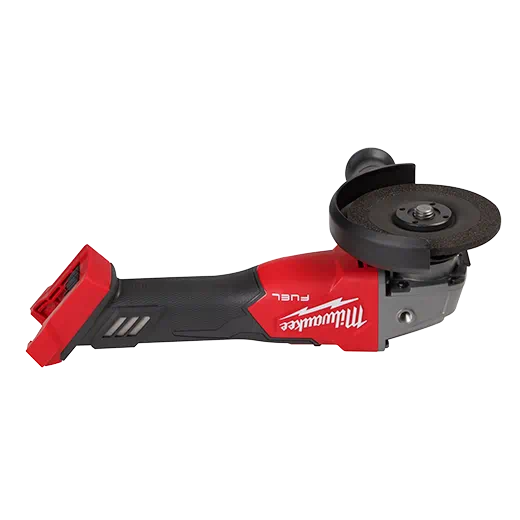
Grinder: DeWALT DCG418 FLEXVOLT (9,000 RPM, electronic clutch, kickback detection) vs Makita XAG20Z LXT (variable speed 2,500–8,500 RPM). DeWALT FLEXVOLT wins on sustained power for heavy material removal. Makita wins on variable-speed versatility for speed-sensitive applications (polishing, aluminum grinding, surface conditioning). Both have electronic safety features.
Rotary Hammer: DeWALT DCH133 (1.7 joules, SDS-Plus, SHOCKS vibration control) vs Makita XRH06Z LXT (1.5 joules, SDS-Plus). DeWALT delivers slightly higher impact energy with excellent vibration reduction. For crews prioritizing long-session comfort during anchor drilling: DeWALT’s SHOCKS system reduces fatigue significantly. For occasional masonry work: both tools handle standard applications adequately.
Build Quality: Precision vs Utility
Makita tools are generally perceived as more refined in fit, finish, and mechanical feel. Clutch action is smoother, trigger response is more linear, and the overall tool feel suggests precision manufacturing. This refinement is the result of Makita’s Japanese manufacturing heritage and engineering philosophy emphasizing quality of execution over specification maximization.
DeWALT tools are built to excellent professional standards with a more utilitarian character. They’re built to survive jobsite abuse rather than to feel refined in the hand. Neither is fragile — both hold up to years of professional daily use. Makita feels better; DeWALT performs comparably in most objective measures of durability.
Storage Systems
DeWALT TOUGHSYSTEM 2.0 (IP65, fully weather-sealed) vs Makita MAKPAC (compatible with Festool Systainer format). TOUGHSYSTEM 2.0 offers superior weather protection and a well-developed ecosystem. MAKPAC is lighter and compatible with the established Systainer format used in woodworking shops, but has fewer accessories and less professional adoption than DeWALT’s or Milwaukee’s systems. For demanding outdoor storage: DeWALT TOUGHSYSTEM 2.0. For woodworking shops with Festool investment: MAKPAC compatibility has specific value.
The Decision
Choose Makita for: woodworking and fine carpentry (precision clutch leadership), maximum single-voltage ecosystem breadth (280 LXT tools), variable-speed applications, and professionals who value refined Japanese engineering. Choose DeWALT for: FLEXVOLT high-power cordless, electrical trade preference, compact lightweight tool weight (DCD800), FLEXVOLT battery backward-compatibility economics, and IP65 TOUGHSYSTEM storage. Both platforms are excellent long-term investments — find them at Pro Tools Hub.