Anker vs Jackery: The Two Leaders in Portable Power
Anker SOLIX and Jackery have defined the portable power station market, and in 2026 they remain the two most recognizable brands in the space. Both make well-reviewed, reliable products with strong customer support. The choice between them comes down to specific capacity needs, charging speed priorities, and ecosystem features. Here’s the honest comparison.
Brand Overview
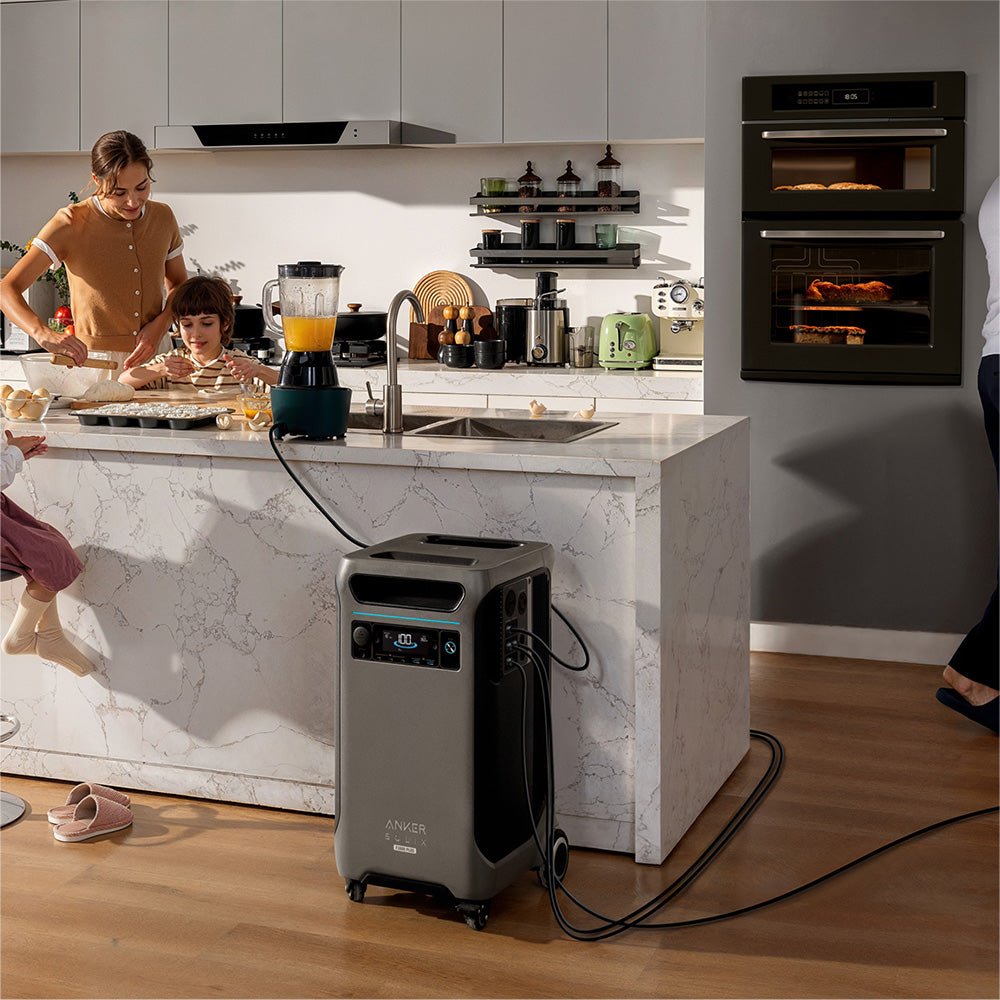
Anker SOLIX: Anker is a Chinese electronics company best known for phone chargers and USB hubs that has invested heavily in the portable power space. The SOLIX line (rebranded from Anker PowerHouse) represents the premium tier of their power station offerings. Anker’s engineering strength in charging technology shows in their exceptional AC charging speeds — the SOLIX C1000 charges from 0–100% in 58 minutes, best in class.
Jackery: Jackery is a California-based company (with Chinese manufacturing) that pioneered the consumer portable power station market. The Explorer and Solar Generator product lines cover the full range from 240Wh to 2,000Wh+. Jackery has the strongest brand recognition in the outdoor/camping segment and was among the first to pair power stations with integrated solar generators in a mainstream product.
Charging Speed: Anker Wins Clearly
Anker SOLIX’s fastest charging is genuinely class-leading. The SOLIX C1000 (1,056Wh) charges in 58 minutes wall-to-full. The SOLIX F3800 (3,840Wh) charges in 2 hours. Jackery’s comparable Explorer 1000 Pro charges in approximately 1.8 hours; the Explorer 2000 Pro in approximately 2.5 hours. For applications where recharging speed matters — daily use, short outage recovery, frequent cycle use — Anker’s advantage is real.
Capacity Options
Anker SOLIX lineup: C800 (768Wh), C1000 (1,056Wh), C1000X (1,056Wh, LiFePO4), F2000 (2,048Wh), F3800 (3,840Wh), expandable to 26.9kWh.
Jackery Explorer lineup: 300 Plus (288Wh), 500 (518Wh), 1000 Pro (1,002Wh), 1500 Pro (1,512Wh), 2000 Pro (2,160Wh), 2000 Plus (2,042Wh, expandable to 12kWh).
Both brands cover the full range of consumer and prosumer needs. Anker’s F3800 tops Jackery’s current lineup in single-unit capacity; Jackery’s 2000 Plus with expansion batteries reaches 12kWh.
Battery Chemistry: LiFePO4 vs NMC
Jackery’s Pro and Plus lines use LiFePO4 (lithium iron phosphate) chemistry — safer, longer cycle life (3,000+ cycles to 80% capacity), better high-temperature tolerance. Anker’s standard SOLIX models use NMC (nickel manganese cobalt), which offers higher energy density (smaller size per Wh) but fewer cycles (500–1,000). Anker’s C1000X uses LiFePO4. For long-term ownership (5+ years of regular use), LiFePO4 chemistry is preferable. For maximum capacity in minimum size, NMC wins.
Solar Integration
Both brands offer companion solar panels that integrate with their power stations via proprietary MC4-compatible connectors. Jackery’s Solar Generator bundles (SolarSaga panels + Explorer stations) are the most popular solar + storage bundles in the consumer market. Anker’s solar panels are newer but well-engineered. For off-grid and camping solar charging, both work well; Jackery has more established compatibility across panel sizes.
The Recommendation
Choose Anker SOLIX for: fastest recharging, maximum single-unit capacity (F3800), home backup applications where recharge speed matters. Choose Jackery for: LiFePO4 chemistry longevity, proven solar integration, camping and outdoor applications, established track record. Browse both at Pro Tools Hub.