Build a Fence Gate That Lasts
A sagging, dragging fence gate is one of the most common — and most avoidable — home maintenance headaches. The cause is almost always the same: an undersized frame that twists under its own weight over time. Build with the right design from the start and your gate will swing true for decades.
Tools and Materials
- 2×4 pressure-treated lumber for the frame
- 1×6 or dog-ear pickets for the infill
- Exterior screws — 2-1/2 inch for frame, 1-5/8 inch for pickets (stainless or coated)
- Heavy-duty strap hinges or gate hinges rated for the gate weight (minimum 2 per gate)
- Positive-latch gate latch
- Turnbuckle and cable anti-sag kit (for gates over 4 feet wide)
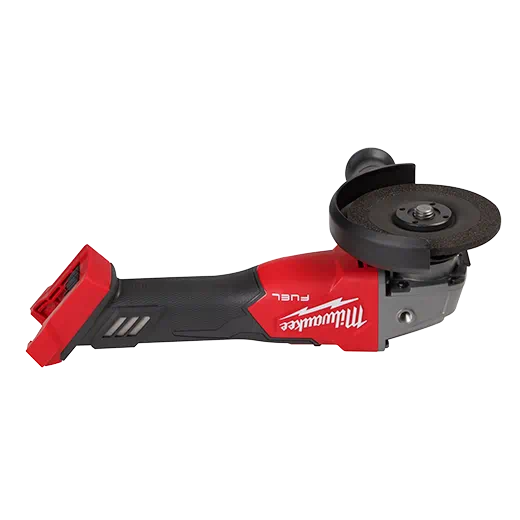
- Drill/driver, circular saw, speed square, level, tape measure
- Post level for setting hinge post plumb
Step 1: Measure the Opening
Measure the opening width at both top and bottom — openings are rarely perfectly parallel. Subtract 1 inch for clearance (1/2 inch each side) to get your gate width. Standard gate heights match the adjacent fence — typically 48 or 72 inches for privacy fences. Account for ground clearance at the bottom: 2 inches over grass, 1 inch over pavers, more if the ground isn’t level.
Step 2: Build the Frame With a Diagonal Brace
The most important element of any gate is a diagonal compression brace running from the bottom hinge corner to the top latch corner. This brace carries the gate’s weight in compression and prevents the classic sag. Cut your frame from 2×4 PT lumber: two vertical stiles (full gate height), two horizontal rails (gate width minus 3 inches for the stiles). Assemble with exterior screws and construction adhesive at each corner. Then measure and cut the diagonal brace to fit tightly from bottom hinge corner to top latch corner — drive screws through the rails into the brace ends.
Step 3: Attach the Infill
Lay the frame flat and attach pickets from one end, maintaining consistent spacing with a spacer block. Drive two screws per picket per rail — pre-drill to prevent splitting near picket ends. Keep the top edge of pickets even using a chalk line or straightedge as a guide. Leave the bottom picket edge long and trim all pickets simultaneously with a circular saw after attachment — the cleanest way to achieve a perfectly level bottom line.
Step 4: Hang the Gate
Position the gate in the opening with shims holding it at the correct height. Attach the hinges to the gate first, then to the post — checking level and plumb at each step. Use lag screws (not wood screws) into the hinge post for gates over 3 feet wide — the leverage on the hinge post is substantial. Install the latch at a comfortable height. Test the swing — the gate should swing freely without dragging and latch positively.
Step 5: Install the Anti-Sag Cable
For any gate over 4 feet wide, install a turnbuckle and cable anti-sag kit. The cable runs from the top hinge corner to the bottom latch corner — the opposite diagonal from the compression brace. The turnbuckle allows adjustment as the gate settles. This system works with the diagonal brace to keep the gate perfectly square indefinitely.
Find all the tools and hardware for your fence gate project at Pro Tools Hub.