Tile Backsplash: A Weekend Project With Big Visual Impact
A tiled kitchen backsplash is one of the highest return-on-investment home improvements you can make. It protects walls from grease and moisture, adds a design focal point, and dramatically elevates the feel of a kitchen. A standard backsplash between countertop and upper cabinets — typically 15–18 square feet — is an achievable weekend project for a careful DIYer.
Tools and Materials
- Tile — subway, mosaic sheet, or large format; add 10% for cuts and waste
- Tile adhesive — mastic for dry backsplash areas, thinset mortar for areas near the sink
- Notched trowel — 3/16-inch V-notch for wall tile up to 4×12 inches
- Tile spacers — 1/16 inch for subway tile, 1/8 inch for larger format
- Grout — sanded for joints over 1/8 inch, unsanded for smaller joints
- Grout float and grout sponge
- Tile cutter (manual scorer for straight cuts) or wet saw for curved and angled cuts
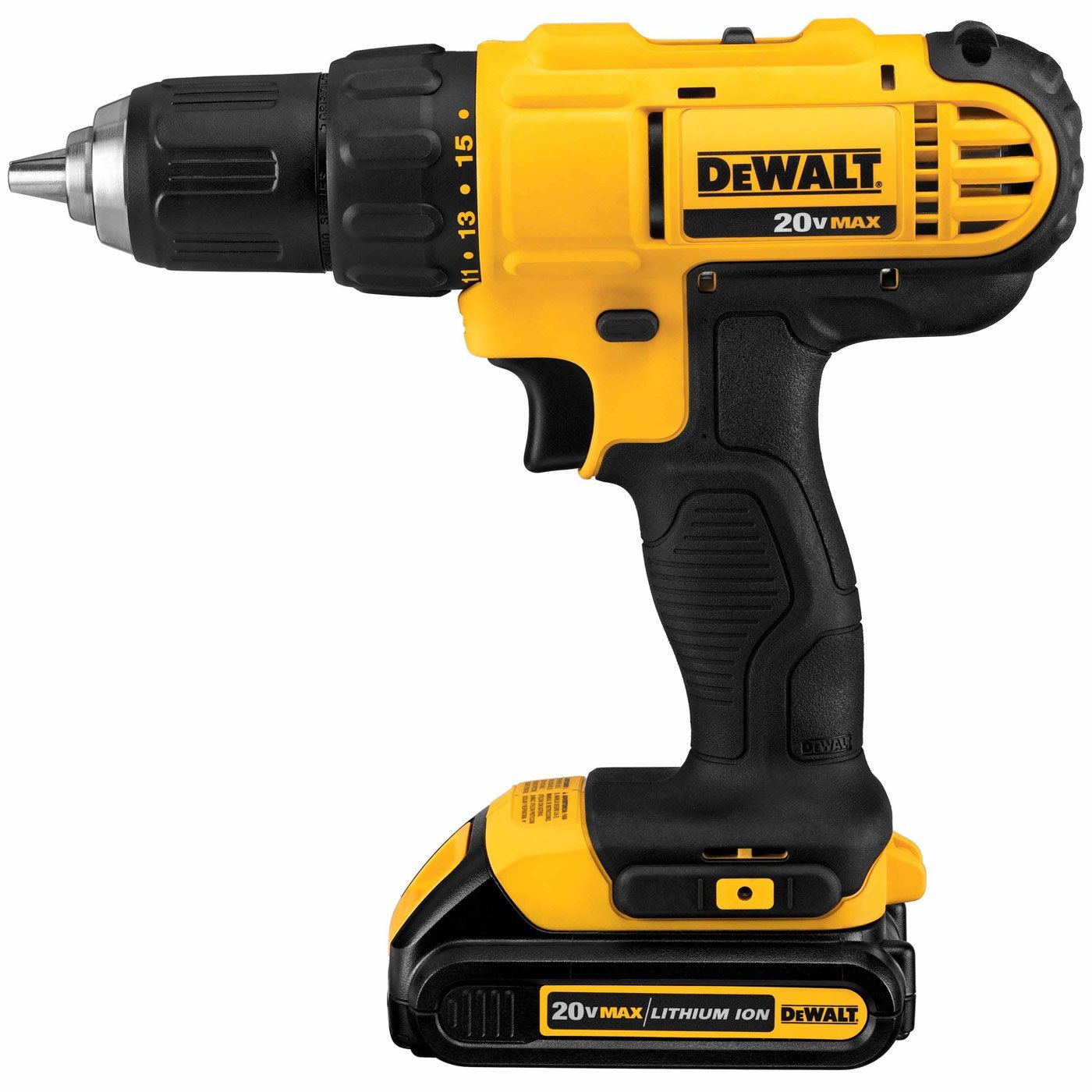
- Drill with diamond hole saw for outlet and switch cutouts
- Level, tape measure, pencil
Step 1: Prepare the Surface
Tile needs a clean, dry, flat surface. Remove outlet and switch covers. Clean walls thoroughly — grease on kitchen walls prevents adhesive bonding. Sand any glossy paint lightly for better adhesion. Fill any significant wall irregularities with joint compound and let dry. If installing over existing tile, ensure it’s firmly attached — loose tiles must be removed.
Step 2: Plan Your Layout
Find the center of the backsplash area and snap a vertical plumb line. Find the midpoint horizontally and snap a level horizontal line. Starting from these center lines ensures that cut tiles at each end are equal in size — the hallmark of a professional tile layout. Dry-fit a row of tiles from center to each end to confirm the layout before applying adhesive.
Step 3: Apply Adhesive and Set Tiles
Spread adhesive in small sections (2–3 square feet at a time) using the notched trowel at a 45° angle for consistent ridges. Press tiles firmly into the adhesive with a slight twisting motion to ensure full contact. Insert spacers as you go. Work from center outward. Check level every few tiles — adhesive is easy to adjust while wet, nearly impossible after it sets.
Step 4: Cut Border Tiles
Measure and mark each cut tile individually — walls are rarely perfectly uniform. For straight cuts, a manual tile scorer works on ceramic; a wet saw handles porcelain, glass, and curved cuts cleanly. For outlet openings, use a diamond hole saw on your drill/driver or a rotary tool with a diamond bit.
Step 5: Grout and Seal
Allow adhesive to cure 24 hours before grouting. Remove spacers. Apply grout with a rubber float held at 45°, pressing firmly into joints in diagonal strokes. Remove excess with the float, then clean with a barely damp sponge — wring it out thoroughly, as excess water weakens grout. Polish haze with a dry cloth after 30 minutes. Apply silicone caulk (not grout) at the countertop-to-backsplash joint and at inside corners — grout cracks here as structures move. Seal porous grout after full cure (72 hours) with a penetrating grout sealer.
Find drills, diamond hole saws, and tile tools at Pro Tools Hub.