Tool Theft: A Bigger Problem Than Most Contractors Realize
Tool theft from job sites and contractor vehicles costs the construction industry an estimated $1 billion annually in the United States. The average contractor loses $3,000–$10,000 in tools per theft incident — and most have no dedicated insurance covering the loss. Worse, many thefts are crimes of opportunity that proper prevention would stop entirely. Here’s how to protect your livelihood.
Understanding How Tool Theft Happens
The majority of jobsite tool theft falls into two categories: opportunistic daytime theft (someone walks onto an active site, grabs accessible tools, and leaves quickly) and nighttime vehicle break-ins (thieves target contractor trucks and vans parked at homes or in lots overnight). Both are largely preventable with the right countermeasures.
Jobsite Security Measures
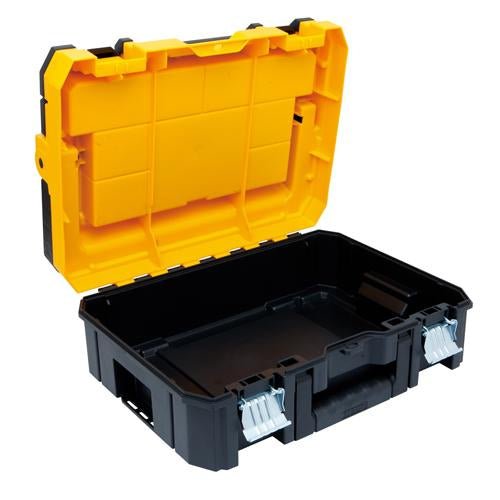
Lock everything, always: The single most effective prevention is locking tool storage at every break, lunch, and end of day. A locked TOUGHSYSTEM chest or PACKOUT drawer unit in a locked trailer dramatically reduces opportunistic theft — thieves choose easy targets. Most jobsite thefts happen when a door or toolbox is left unlocked for “just a minute.”
Tool marking and registration: Engrave your contractor license number or driver’s license number on every tool. Register serial numbers with the National Equipment Register (NER) and Milwaukee’s ONE-KEY or DeWALT’s TOOL CONNECT asset tracking platforms. Marked tools are harder to sell, easier to recover, and sometimes returned by police after pawn shop checks.
Surveillance: A trail camera or construction site camera ($150–$300) pointed at tool storage areas deters theft and provides evidence for insurance claims and police reports. Solar-powered cellular cameras work even at sites without power.
Vehicle Security
A contractor’s vehicle is a rolling tool store, and smash-and-grab thefts from contractor trucks are epidemic in many markets. Install quality locks on all external toolboxes — the stock locks on most pickup bed boxes are easily defeated. Heavy-duty padlocks (Medeco, Abloy) cost $80–$150 but resist bolt cutters and picking. Install a slide-out drawer system in your van or truck bed that stays locked when not in active use.
GPS Tracking for High-Value Tools
GPS asset trackers (Milwaukee ONE-KEY compatible tags, Apple AirTags in tool cases, Tile trackers) allow you to locate stolen tools after the fact. These don’t prevent theft but dramatically improve recovery rates. Milwaukee’s ONE-KEY platform integrates GPS tracking with tool management — when a tagged tool moves, you know where it went. For tools worth $200+, a $30 tracker is a worthwhile investment.
After a Theft: What to Do Immediately
File a police report within 24 hours — this is required for insurance claims and sometimes triggers pawn shop notifications. Provide serial numbers for every stolen tool. Contact Milwaukee ONE-KEY or DeWALT TOOL CONNECT support to flag tools as stolen — this creates alerts at pawn shops and secondary markets. Contact your insurance broker to initiate a claim. Photograph the scene before disturbing it.
Building a Culture of Security
Tool security works best as a crew culture, not just a contractor’s personal practice. Brief your crew at project kickoff: tools get locked up, nobody leaves access doors open unattended, and any suspicious activity gets reported immediately. A crew that treats security as normal protects everyone’s livelihoods.
Invest in professional-grade tools worth protecting at Pro Tools Hub — and protect them with the security practices that keep them in your hands.