Off-Grid Cabin Power: Getting It Right From the Start
An off-grid cabin presents a unique power challenge. You’re far from utility lines, you may have limited fuel resupply access, and your power needs span the full range from basic lighting and a mini-fridge to a well pump, power tools for ongoing construction, and climate control. Getting your power system right from the start saves enormous cost and headache down the road.
Assess Your True Off-Grid Load
Off-grid power planning starts with an honest load assessment. List every electrical device and its wattage and daily runtime hours. A typical off-grid cabin: LED lighting (50W × 5 hours = 250Wh/day), mini-fridge (80W × 8 hours = 640Wh/day), laptop and phone charging (100W × 2 hours = 200Wh/day), water pump (500W × 1 hour = 500Wh/day), and occasional power tool use (1,500W × 1 hour = 1,500Wh/day). Daily total: approximately 3,090Wh. This number drives your entire system design.
Generator vs Solar vs Hybrid
For remote off-grid cabins, a hybrid approach — solar with battery storage plus a generator for backup and cloudy periods — is the most resilient solution. Pure generator reliance requires constant fuel resupply and creates noise and maintenance burden. Pure solar works well in sunny climates but fails during multi-day overcast periods without substantial battery storage.
Generator Selection for Off-Grid Use
EcoFlow Smart Generator (Dual Fuel): Designed to integrate with EcoFlow DELTA Pro and DELTA Max power stations, this generator charges the power station automatically when battery level drops below a set threshold. It runs on gasoline or LPG, produces clean sine wave power, and operates at under 50dB. For a cabin with an EcoFlow power station as the primary storage, this is the ideal backup generator — it charges the battery, which then powers everything through the inverter rather than running appliances directly off generator power.
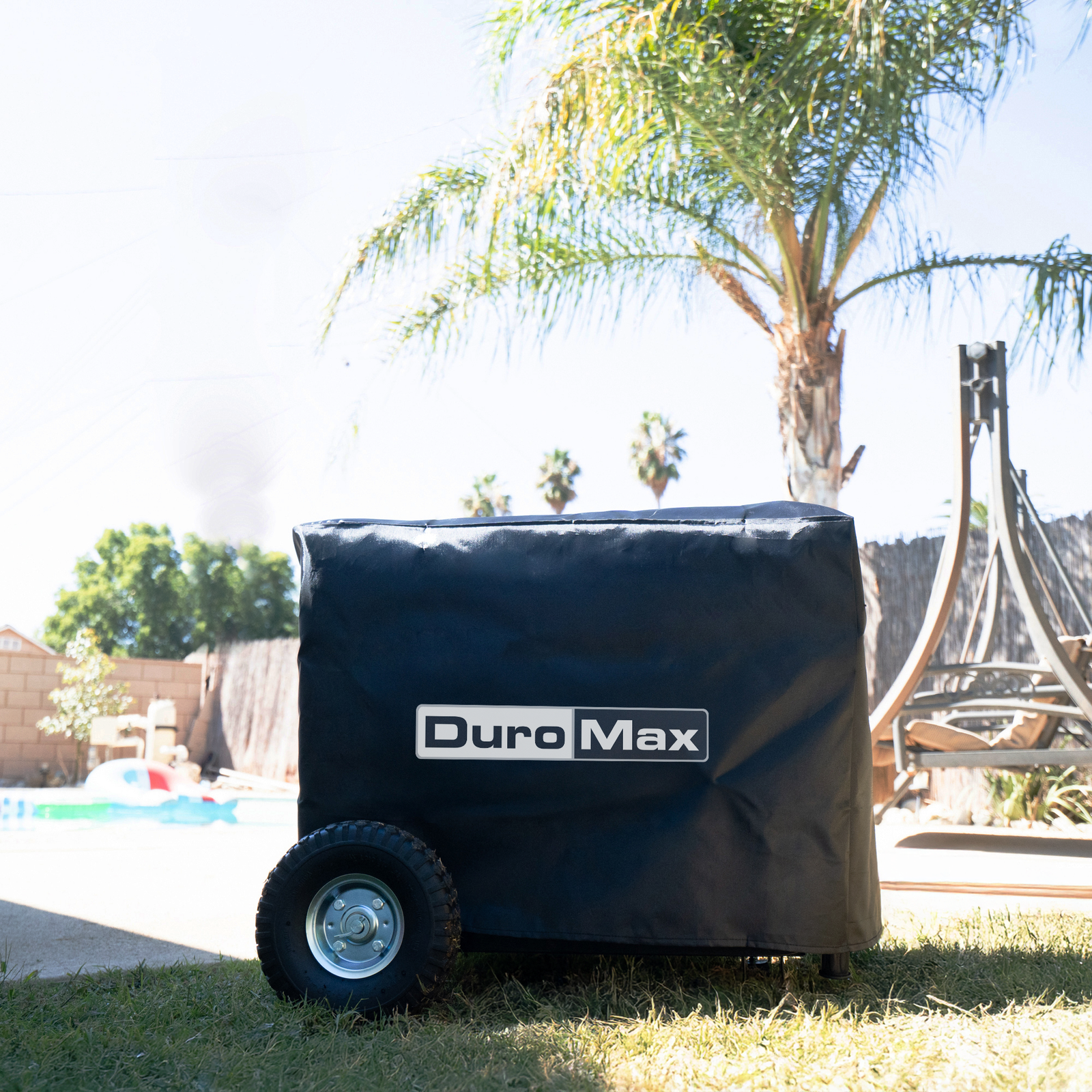
DuroMax XP4850EH (4,850W Dual Fuel): For cabins without a power station setup, the XP4850EH handles typical cabin loads directly. Its dual-fuel design is ideal for remote locations where you may have propane but gasoline resupply is difficult. At 4,850W peak it handles a well pump, power tools, and general cabin appliances simultaneously.
Anker SOLIX F3800 Portable Power Station + Solar: For cabins in good solar climates, Anker’s 3,840Wh capacity power station with solar panel input can handle 2–3 days of modest cabin use between sunny periods. No fuel, no noise, no emissions — the cleanest off-grid solution for low-to-moderate load cabins.
Fuel Storage for Remote Locations
If you’re running a gasoline generator at a remote cabin, fuel storage is critical. Store treated gasoline (STA-BIL 360 Protection) in approved metal or HDPE containers — up to 25 gallons for short stay frequency. Propane is far preferable for remote storage: it doesn’t degrade, requires no stabilizer, and large tanks (100–500 gallon) can be filled on a scheduled basis. Dual-fuel generators give you propane as the primary fuel with gasoline as emergency backup.
Safety at Remote Locations
Install CO detectors inside the cabin — battery-operated, checked at each visit. Keep a Class ABC fire extinguisher near the generator and fuel storage. Ensure the generator is positioned at least 20 feet from any cabin window or door and on a stable, level surface. At a remote cabin, an injury or emergency from generator misuse is far more serious than in an urban setting — take every precaution.
Browse EcoFlow, Anker, and DuroMax off-grid power solutions at Pro Tools Hub.