The Motor Technology That Defines Modern Power Tools
Brushless and brushed motors represent two generations of power tool technology — and understanding the difference helps you make smarter purchasing decisions and better maintenance choices. This isn’t just a specs discussion: the motor type affects how long your tools last, how much they cost, and how they perform under real-world professional use.
How Brushed Motors Work
Brushed DC motors use carbon brushes to transfer electrical current to the rotating armature through direct physical contact with a commutator ring. As current flows through the armature windings, it interacts with the permanent magnetic field in the stator to create rotation. The brushes press against the commutator continuously, maintaining the electrical contact needed to sustain rotation.
The physics are simple and reliable, but physical contact between brushes and commutator creates friction, heat, and wear. Carbon brushes gradually erode, requiring periodic replacement. The friction also reduces electrical efficiency — energy that should become mechanical work is instead lost as heat.
How Brushless Motors Work
Brushless motors eliminate the brushes and commutator entirely. Permanent magnets are mounted on the rotor; electromagnets in the stator (the stationary part) interact with them. Current is commutated electronically — the motor’s control board precisely switches current through the stator windings in sequence to drive rotation. No physical contact between moving parts, no friction wear, and electronic control of the commutation process that allows optimization of the motor’s performance for each application.
The Real-World Differences
Lifespan: Brushless motors outlast brushed motors by 2–3x under comparable use conditions. Without brush wear, the primary failure mode shifts to bearing wear, which takes much longer to develop. Professional users report brushless tools lasting 8–10+ years of daily use; brushed tools in the same conditions typically need motor service or replacement within 3–4 years.
Efficiency and runtime: Brushless motors convert electrical energy to mechanical work more efficiently than brushed motors — typically 85–90% efficient vs 75–80% for brushed. On a single battery charge, a brushless drill/driver delivers measurably more work than a comparable brushed model. For professionals cycling through batteries daily, this efficiency difference is felt in fewer battery swaps per day.
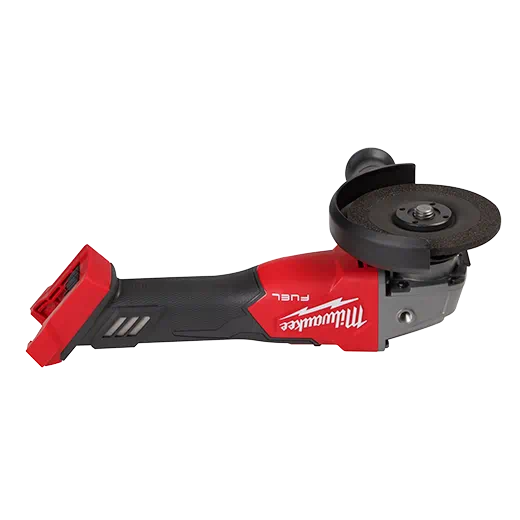
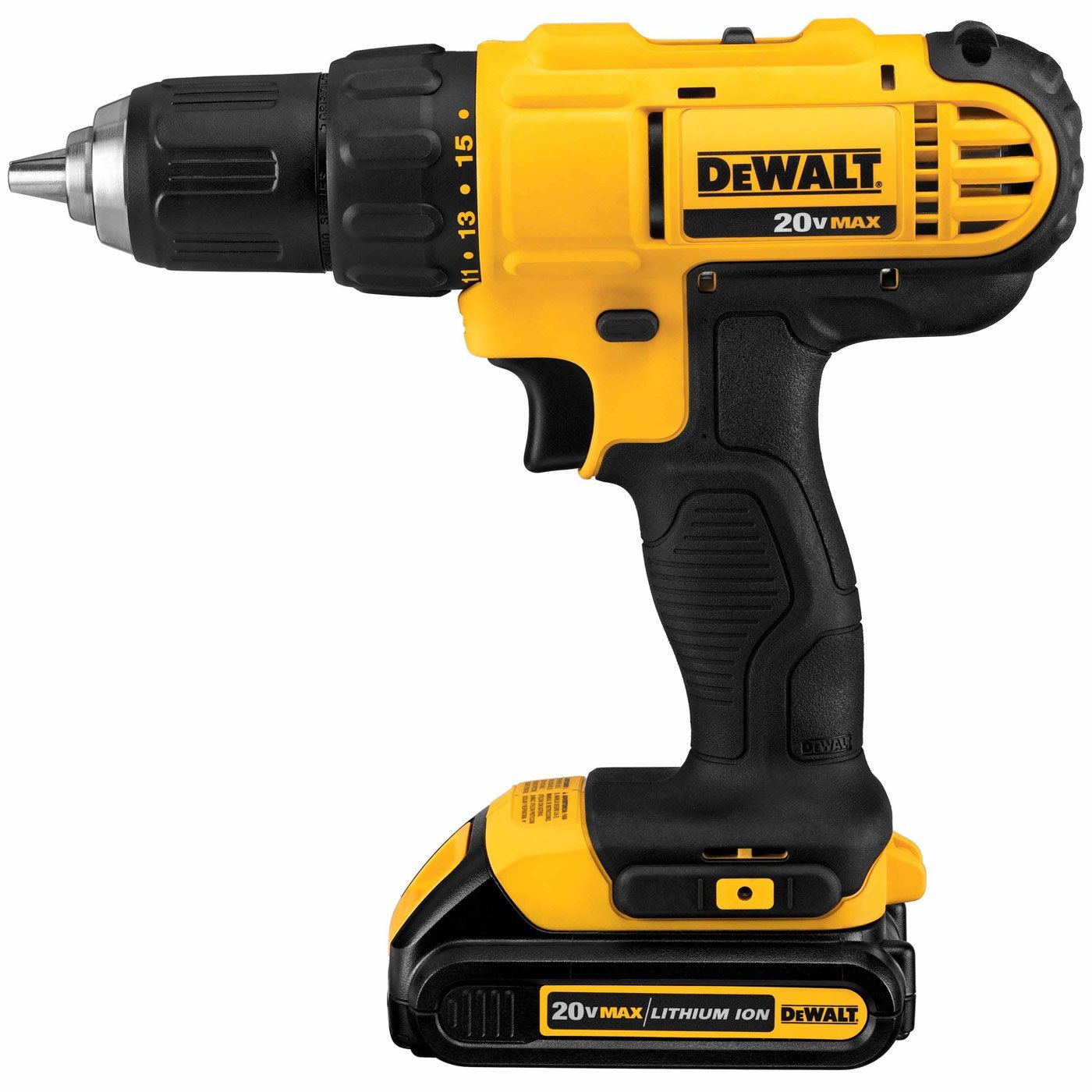
Performance: Electronic commutation allows the motor’s control board to optimize speed, torque, and temperature management in real time. DeWALT’s XR, Milwaukee’s POWERSTATE, and Makita’s BL motor systems all use electronic commutation to deliver consistent power across the discharge curve — a brushless drill performs nearly identically on a full battery and a half-charged battery, while brushed drills noticeably slow as voltage drops.
Heat: Friction from brush contact generates heat that accelerates motor wear and reduces performance in sustained high-load applications. Brushless motors run significantly cooler under equivalent loads, allowing sustained performance that brushed motors can’t maintain.
When Brushed Motors Still Make Sense
For very occasional use (a homeowner using a drill a few times per year), a quality brushed tool at lower price is a reasonable choice. The extended lifespan advantage of brushless doesn’t fully materialize in infrequent-use scenarios. However, for anyone using tools more than a few times per month, the brushless premium pays off in longevity and performance.
The Cost Reality
In 2026, brushless tools have come down in price significantly. Most professional-tier tools from DeWALT, Milwaukee, and Makita are brushless by default. Budget under $80 tools are typically still brushed. The price gap has narrowed enough that choosing brushed to save money on professional tools is rarely the better long-term decision.
Find brushless-motor tools from DeWALT, Milwaukee, and Makita at Pro Tools Hub — the professional standard for anyone using tools regularly.