The Cordless Revolution: Is It Complete?
Cordless tools have come an extraordinarily long way in the past decade. What once meant underpowered, short-runtime tools that frustrated professionals has become a legitimate alternative to corded performance in most applications. But “most” isn’t “all” — and understanding where cords still make sense saves money and prevents frustration. Here’s the honest comparison.
Where Cordless Wins Clearly
Mobility and versatility: No cord means no extension cord management, no tripping hazards, no power outlet proximity requirements. For roof work, ladders, remote sites, and moving around a large structure, cordless is simply better. A cordless drill on a ladder is safer, faster, and more practical than managing a 50-foot extension cord.
High-activity platforms: For tools that move frequently — drills, impact drivers, reciprocating saws, oscillating tools, nailers — cordless delivers the freedom that dramatically improves productivity. A framing crew with cordless nailers and saws moves faster than the same crew with pneumatic equipment dragging compressor hoses.
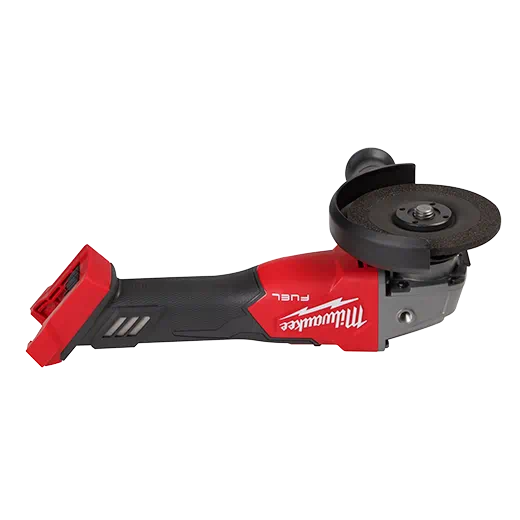
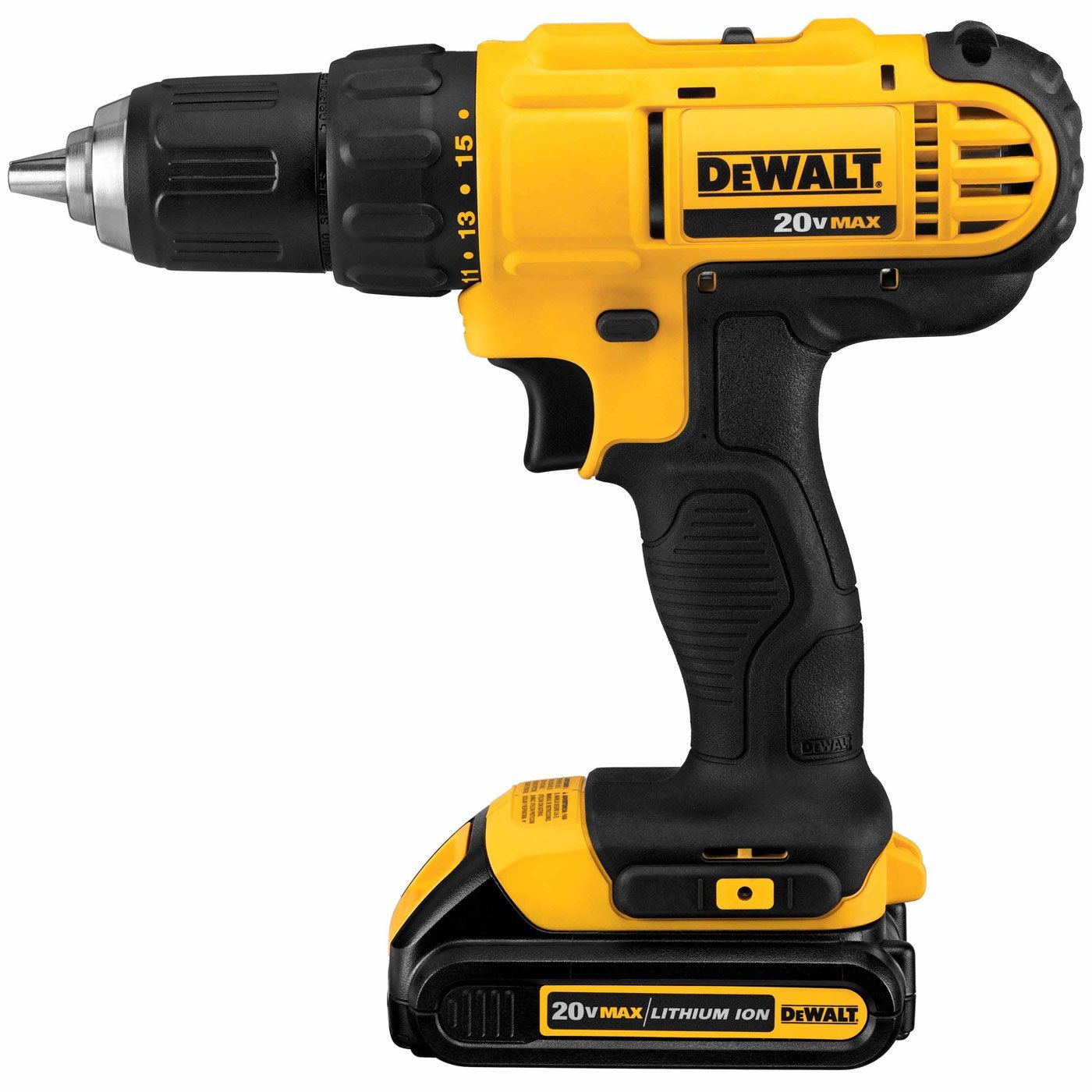
Professional battery ecosystems: DeWALT 20V MAX, Milwaukee M18, and Makita LXT have matured to the point where battery costs are distributed across 200+ tools on a single platform. The battery investment becomes an infrastructure investment rather than a per-tool cost.
Where Corded Tools Still Win
Sustained high-load applications: Table saws, jointers, planers, and large dust collectors in workshop environments run at sustained high loads for hours at a time. Cordless table saws (DeWALT DCS7485, Milwaukee ONE-KEY) handle jobsite use well, but for a stationary shop saw running production all day, corded table saws (JET JTAS-10XL, Grizzly G0771Z) provide unlimited runtime and more power at lower cost.
High-current tools: Corded miter saws, planers, and large belt sanders draw 12–15 amps continuously. While cordless versions exist, the corded versions are heavier-duty, last longer under sustained workshop use, and cost significantly less. The DWS780 miter saw is a 15A corded tool; its cordless equivalent costs more and has shorter runtime.
Total cost for stationary use: A corded shop tool plugged into the wall has zero ongoing battery cost. A cordless tool that never moves from a fixed station in a shop is paying a battery premium that delivers no mobility benefit.
The Hybrid Approach Most Professionals Use
The most practical approach isn’t all-corded or all-cordless — it’s choosing each category based on actual use patterns. Tools that move (drill, impact, circ saw, grinder, reciprocating saw, nailer): cordless. Tools that stay in one place (table saw, jointer, planer, miter saw in a fixed shop): corded. This hybrid approach maximizes value from both technologies.
Battery Platform Commitment
One important consideration for the cordless side: battery platform commitment amplifies value over time. A contractor who commits to Milwaukee M18 for all cordless tools amortizes the battery cost across 20+ tools; someone mixing platforms pays full battery cost for each ecosystem. If going primarily cordless, commit to one platform and build it comprehensively.
Find both corded and cordless professional tools from DeWALT, Milwaukee, Makita, JET, and Grizzly at Pro Tools Hub.