Two Premier Tool Ecosystems: How Do They Compare?
Makita and DeWALT are two of the most trusted names in professional tools, and choosing between their ecosystems is one of the most consequential tool purchasing decisions you’ll make. Both brands produce professional-grade tools with strong battery platforms, but they have distinct strengths, design philosophies, and ideal use cases. Here’s the honest comparison.
Battery Platforms Side by Side
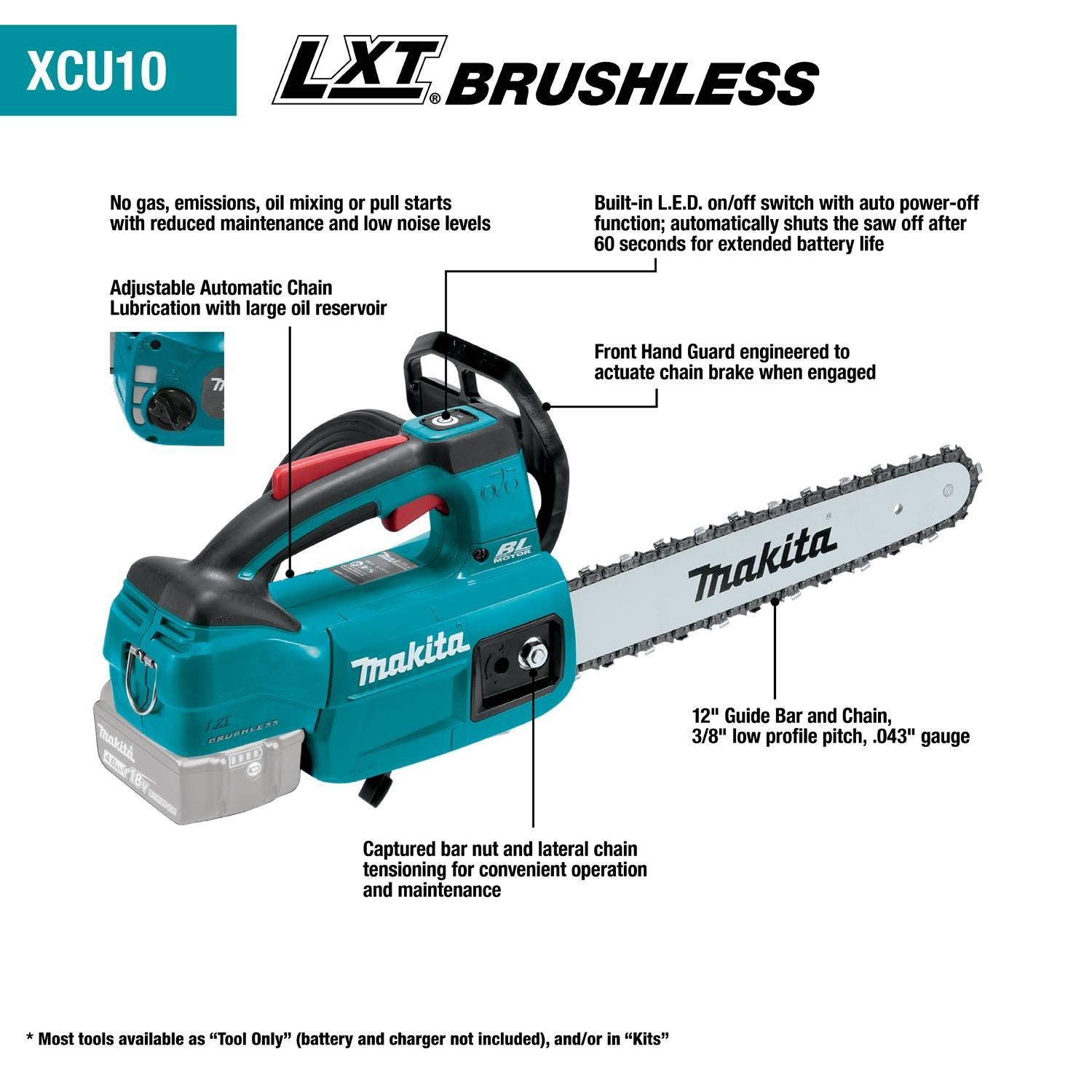
Makita 18V LXT: 280+ tools, mature since 2005, batteries from 2–6Ah. The broadest single-voltage platform available. Also offers 40V XGT for high-power applications and 12V CXT for compact work.
DeWALT 20V MAX: 200+ tools, broadly available at retail. POWERSTACK technology delivers more compact high-capacity batteries. FLEXVOLT (60V) available for high-power cordless applications — a capability Makita’s XGT partially but not fully matches.
The practical difference: Makita LXT covers more tool categories with 280+ vs DeWALT’s 200+, but DeWALT’s FLEXVOLT platform delivers more power for the highest-demand cordless applications. If you need a cordless table saw or large circular saw at corded-equivalent power, FLEXVOLT is the better answer than Makita XGT.
Performance Comparison
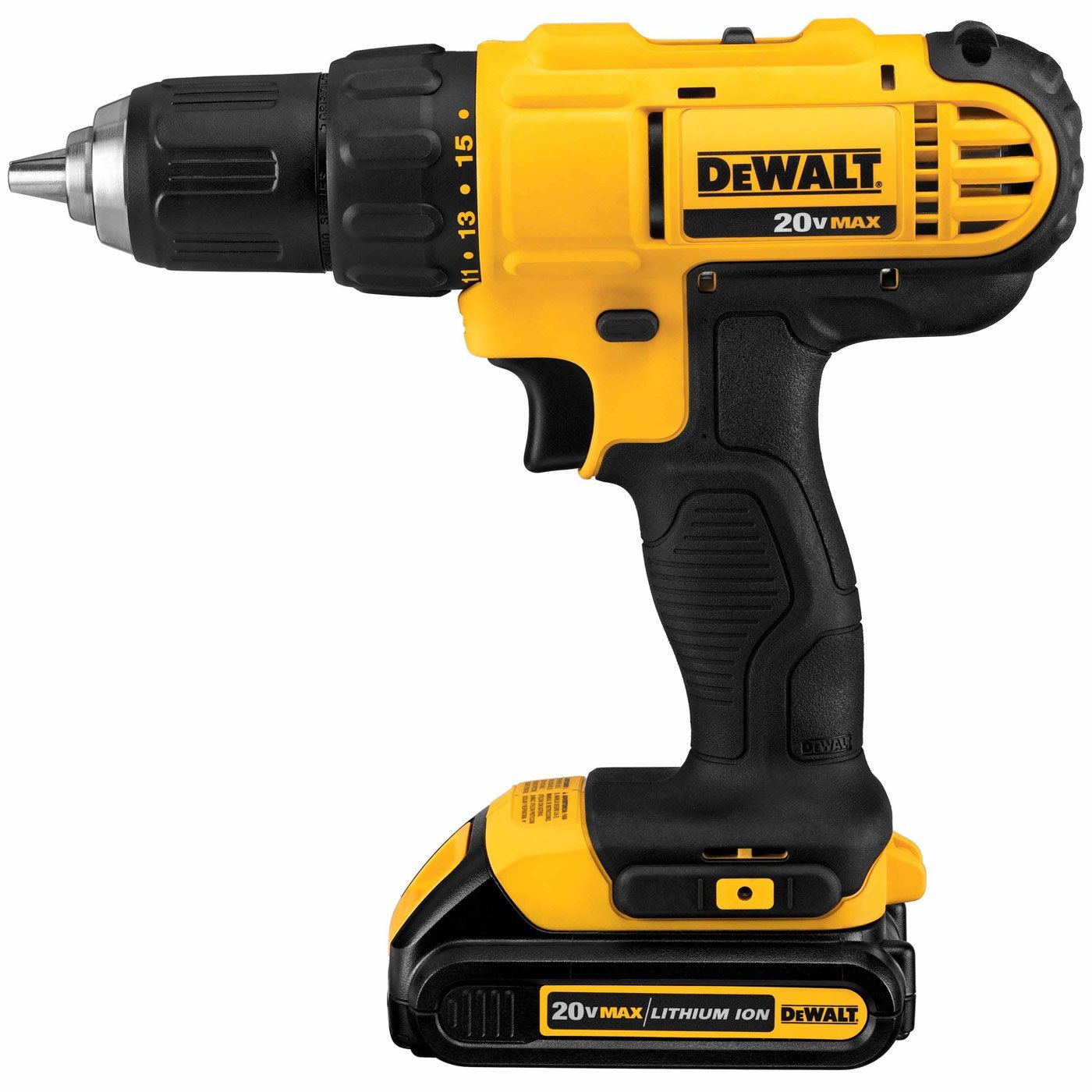
Drilling and driving: Makita XFD14Z delivers 530 in-lbs with the industry’s best clutch precision. DeWALT DCD800 delivers 650 in-lbs in a lighter, more compact body. For precision work (woodworking, fine carpentry): Makita. For sustained driving torque: DeWALT.
Circular saws: DeWALT’s FLEXVOLT DCS575 at 8,000 RPM on 60V outperforms Makita’s LXT XSS02Z (6.5″, 5,200 RPM) significantly. For high-power cutting: DeWALT. For compact, lightweight cutting: Makita.
Miter saws: DeWALT’s DWS780 with XPS shadow-line is the professional finish carpentry standard. Makita’s LS1019L produces exceptional cut quality. Both are excellent — DeWALT has the edge in real-world precision systems.
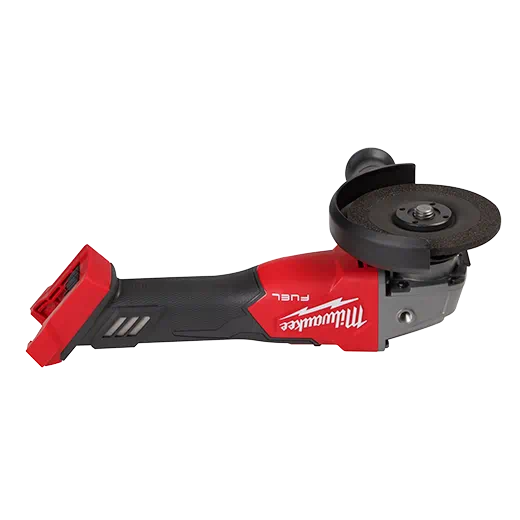
Grinders: DeWALT DCG418 FLEXVOLT delivers more power. Makita XAG20Z variable-speed LXT is better for applications requiring speed control.
Build Quality and Ergonomics
Both brands produce tools with excellent build quality. Makita tools are generally perceived as more refined in fit and finish — smooth clutch action, quality bearings, precision feel. DeWALT tools are more utilitarian in ergonomics but extremely durable in harsh jobsite conditions. Neither is inferior; they represent different engineering priorities.
Ecosystem Breadth Winner: Makita
280 vs 200+ tools on the main platform is a meaningful difference for multi-trade shops and crews. The LXT platform covers specialty tools — pipe cutters, band saws, dedicated HVAC tools, outdoor power equipment, dust management systems — that DeWALT’s 20V MAX doesn’t match in breadth.
High-Power Cordless Winner: DeWALT
FLEXVOLT’s 60V platform delivers genuinely corded-equivalent performance in circular saws, table saws, and grinders. Makita’s XGT 40V is a separate battery investment that doesn’t integrate with LXT. For professionals who need maximum cordless power: DeWALT FLEXVOLT.
The Decision
Choose Makita for: woodworking and fine carpentry (precision clutch), multi-trade ecosystem breadth, variable-speed applications. Choose DeWALT for: maximum power cordless applications (FLEXVOLT), electrical and general construction, strong retail/service availability. Find both full lineups at Pro Tools Hub.