Running a Better Contracting Business
Success in the trades requires more than skill with tools. The contractors who build sustainable, profitable businesses combine excellent craft with solid business systems — pricing that covers real costs, workflows that maximize productivity, and equipment choices that support rather than limit their work. This resource center connects every contractor-focused guide on Pro Tools Hub.
Business and Financial Management
Pricing Jobs Correctly: The most important financial skill for any contractor. Know your true hourly cost (including overhead, taxes, insurance, and vehicle), choose the right pricing method for each job type, and mark up materials appropriately. Underpricing is the leading cause of contractor business failure — not lack of work.
Tool ROI Analysis: Professional tools are a capital investment. Understanding the return on investment — time saved, quality improvement, reduced callbacks — justifies equipment purchases and helps prioritize which tools to add next. The DCN692 cordless framing nailer eliminating a compressor setup on residential sites typically pays for itself in under 3 months for an active framing crew.
Tax Deductions for Tools: Section 179 of the IRS tax code allows immediate expensing of tool and equipment purchases in the year acquired, rather than depreciating over years. For most contractors, this means significant tax savings on tool investments. Consult a tax professional familiar with the trades for current limits and strategies.
Productivity and Operations
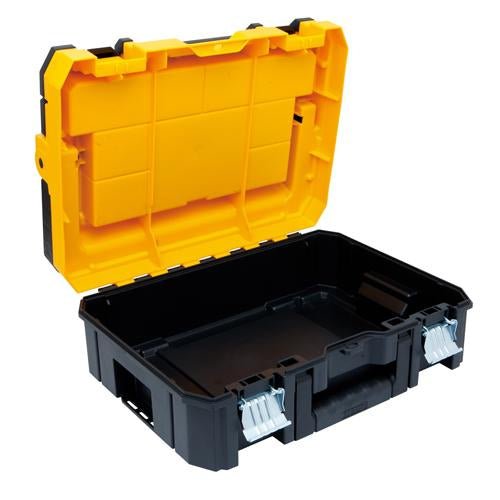
Van and Vehicle Organization: A disorganized service van costs an estimated 30–60 minutes per day in time wasted searching for tools and supplies. Purpose-built van shelving (Adrian Steel, Weather Guard), modular storage systems (Milwaukee PACKOUT, DeWALT TOUGHSYSTEM), and consistent end-of-day restock routines transform productivity.
Apprentice Training: Investing in apprentice development is investing in your business’s future capacity. Structured skill progressions, safety-first culture, and clear quality standards produce craftspeople who multiply your throughput rather than creating rework.
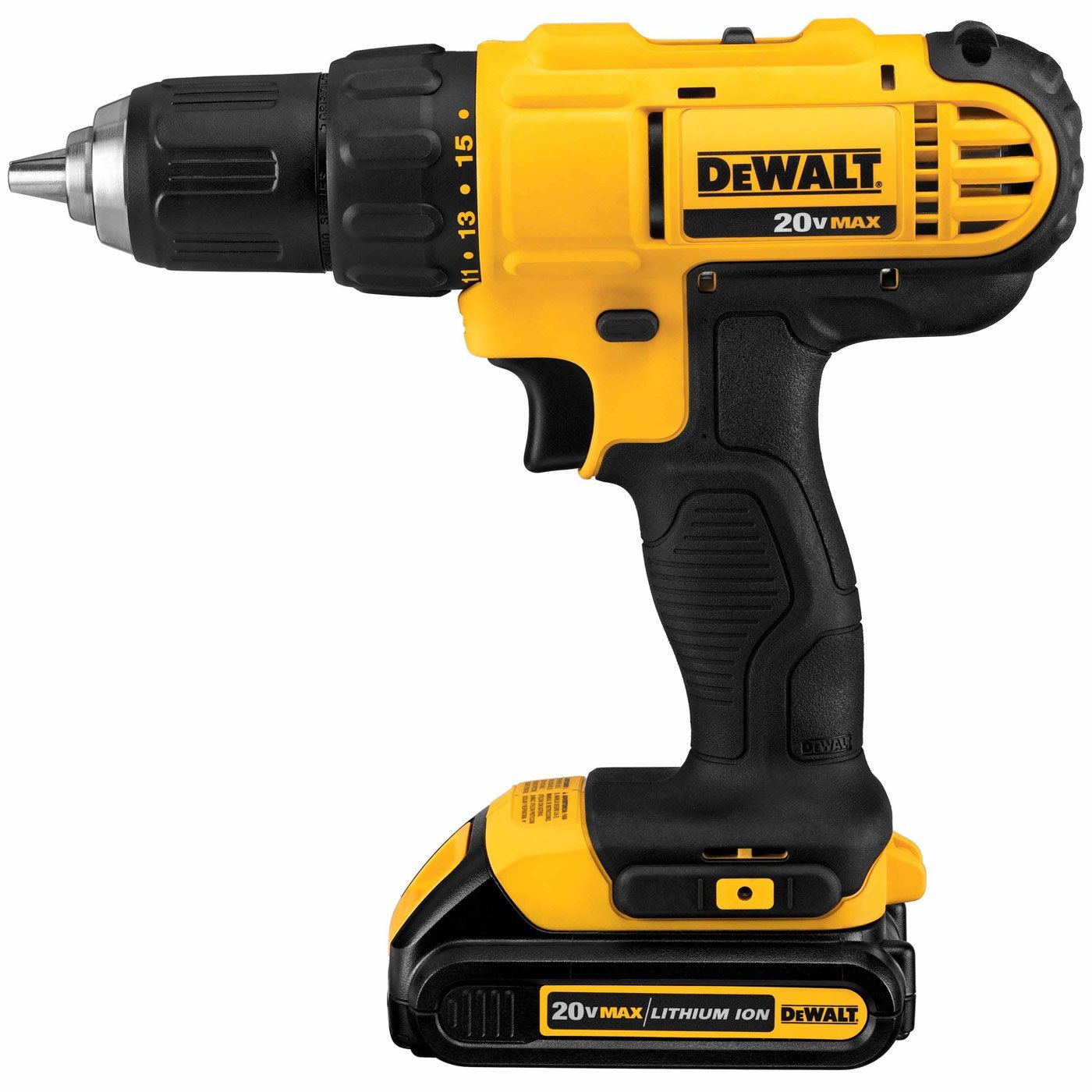
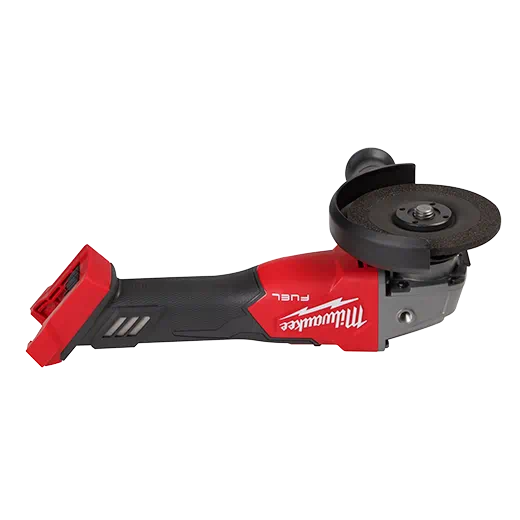
Battery Platform Strategy: Standardizing your crew on a single battery platform (M18, 20V MAX, or LXT) dramatically reduces battery management complexity and cost. Running mixed platforms across a crew creates compatibility headaches and drives up the per-tool cost of batteries.
Jobsite Safety and Compliance
OSHA Compliance: OSHA 10 and OSHA 30 certifications are increasingly required on commercial sites. Fall protection, electrical safety, hazard communication, and tool safety are the most frequently cited violations. Proactive compliance is cheaper than citations.
Tool Theft Prevention: Tool theft costs the construction industry over $1 billion annually. Marked tools, locked storage, GPS tracking (Milwaukee ONE-KEY, Apple AirTags), and crew security awareness dramatically reduce exposure. Dedicated tool insurance (inland marine/equipment floater) covers what general liability and homeowner’s policies do not.
Equipment Selection for Contractors
The right equipment choices are foundational to contractor productivity. Our trade-specific buying guides cover the exact tools professionals in each specialty rely on: Best Tools for General Contractors, Best Tools for Electricians, Best Tools for Plumbers, Best Tools for HVAC Technicians, Best Tools for Remodelers, and Best Tools for Roofers.
Pro Tools Hub stocks the professional-grade tools contractors depend on — browse our full catalog here and build the kit that keeps your business running efficiently.