Brushless Motors: The Technology Behind Modern Power Tools
Brushless motors are in nearly every professional-grade cordless tool sold today — and for good reason. They’re more efficient, longer-lasting, and more powerful than brushed alternatives. But maintaining them correctly extends their life even further. Here’s what you need to know.
How Brushless Motors Work
Traditional brushed motors use carbon brushes to transfer electrical current to the rotating armature through physical contact. This creates friction, heat, and wear — the brushes eventually wear down and need replacement. Brushless motors eliminate the brushes entirely: electromagnets in the stator (the stationary part) interact with permanent magnets in the rotor, controlled by an electronic commutator. No contact, no friction wear, no brush replacement.
Why Brushless Motors Need Maintenance at All
While brushless motors don’t wear in the same way as brushed motors, they still require attention. The bearings that support the rotor shaft experience wear over time. The electronic control board (the commutator) can fail due to heat, moisture, or voltage spikes. The ventilation pathways that cool the motor can become blocked with sawdust, drywall dust, and debris — causing the motor to overheat and triggering protective shutdown.
Keeping the Motor Clean
The most important brushless motor maintenance task is keeping air vents clear. After any session with significant dust (drywall cutting, sanding MDF, cutting pressure-treated lumber), blow out the motor vents with compressed air — 30–40 PSI, directed into the intake vents while the tool runs briefly to exhaust debris from the other side. Never submerge tools in water to clean them, even IP-rated models. Wipe exterior surfaces with a dry cloth.
Bearing Inspection and Lubrication
On most cordless tools, bearings are sealed and require no lubrication — the factory grease is sufficient for the tool’s service life under normal conditions. Signs of bearing failure: unusual noise (grinding, scraping, or a high-pitched whine at speed), vibration that wasn’t present before, or play in the chuck or spindle. Bearing replacement is an authorized service center job — don’t attempt it without the right tools and training, as improper installation voids the warranty.
Electronic Commutator Protection
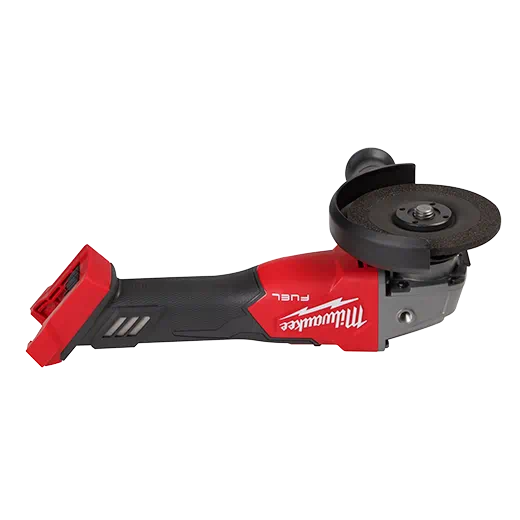
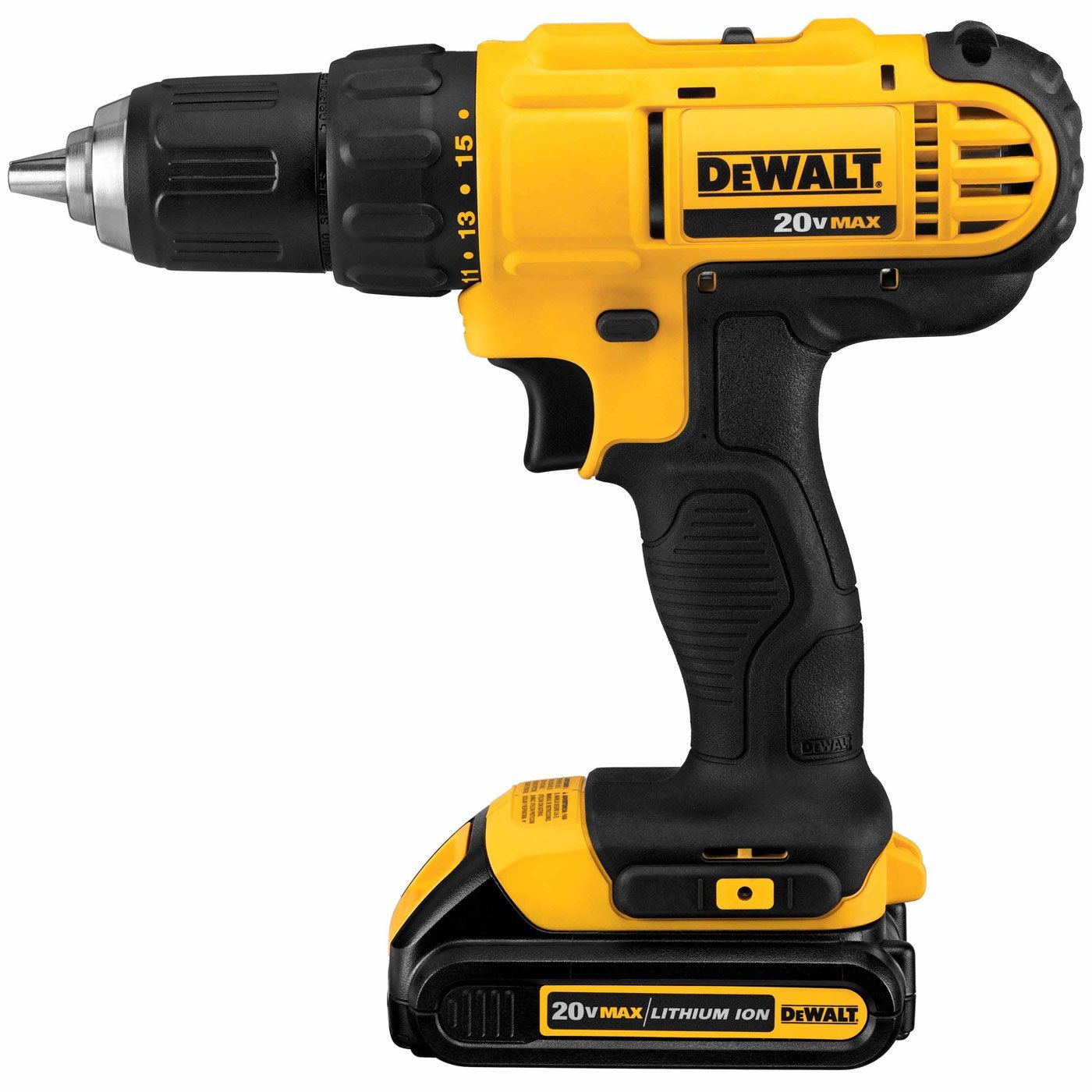
The brushless motor’s electronic brain is vulnerable to moisture and shock. Avoid storing tools in humid environments without adequate ventilation. Don’t drop tools on the motor end — the electronic components are most vulnerable there. Most modern brushless tools (DeWALT XR, Milwaukee M18 FUEL, Makita LXT) have overload protection that shuts the tool down before electronic damage occurs — if your tool shuts off under load, let it rest for 10 minutes before resuming rather than forcing through the issue.
When to Seek Professional Service
Any brushless tool that exhibits: unusual noise, unexpected shutdowns under light load, reduced power with a fully charged battery, sparking visible through vents, or error codes on smart tools — should go to an authorized service center. DeWALT, Milwaukee, and Makita all have service center networks; most offer a free diagnostic inspection within the warranty period.
Browse professional-grade brushless tools from DeWALT, Milwaukee, and Makita at Pro Tools Hub.