Starting Out Right: Choosing Your First Drill/Driver
If you’re new to power tools, the drill/driver is the perfect first purchase — it’s the most versatile tool you can own, and a good one will handle the vast majority of home projects for years to come. But the market is full of options at every price point, and knowing where to start is genuinely confusing. This guide simplifies the decision.
What Beginners Actually Need
Forget the spec sheets for a moment. What a beginner actually needs is: a tool that’s light enough to use comfortably one-handed (under 3 lbs with battery), a clutch that prevents overdriving screws (15+ positions), a variable-speed trigger for control at slow speeds, a keyless chuck that tightens securely, and a battery that lasts through a full day’s project without constant charging. Every major brand’s entry-level 20V or 18V kit meets these requirements.
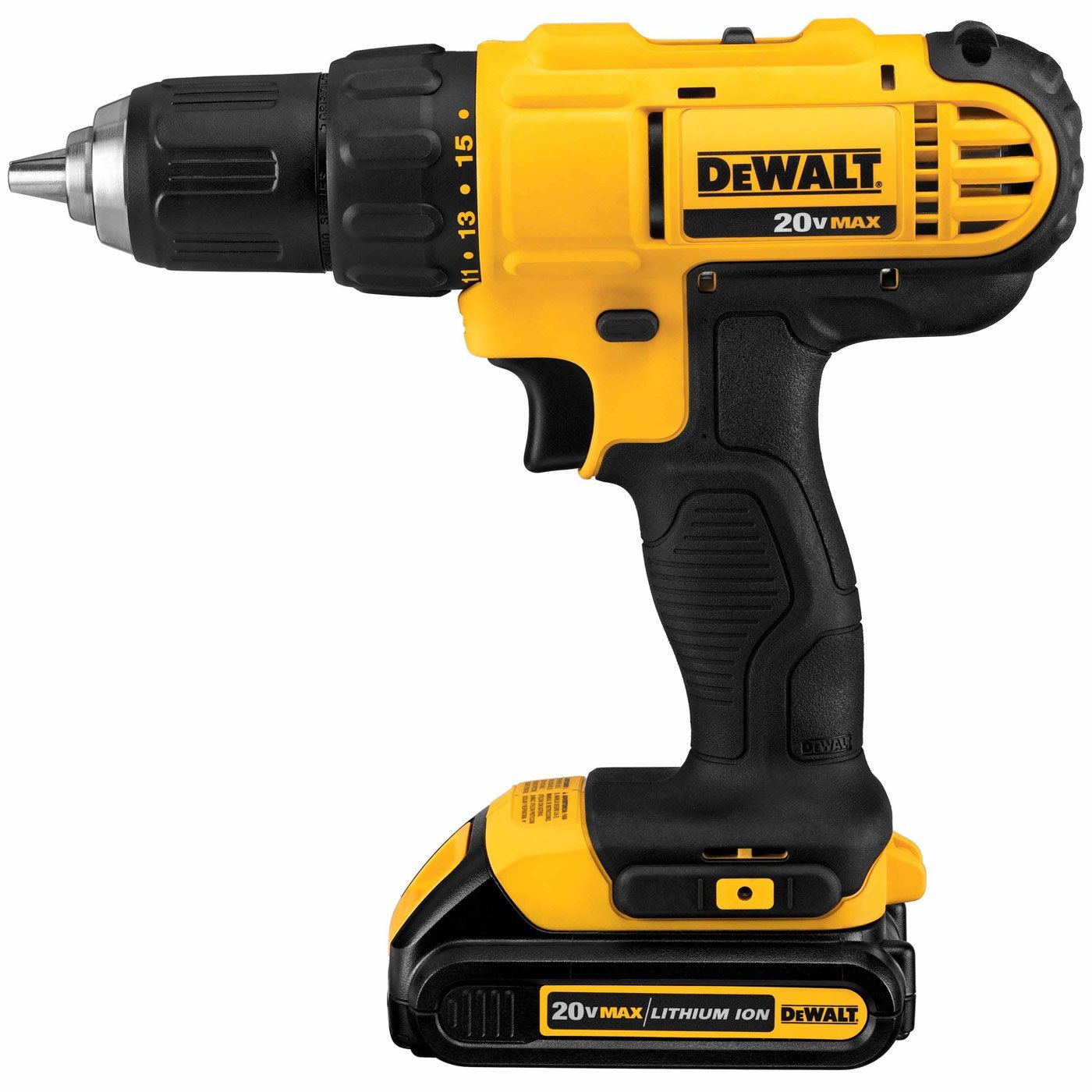
Top Beginner Pick: DeWALT DCD771C2 Kit
This kit is the most recommended entry point for good reason. The DCD771C2 includes the drill, two 1.5Ah batteries, and a charger — everything needed to start immediately. It delivers 300 UWO of power (more than enough for any home task), weighs 3.6 lbs with battery, and has a 15-position clutch that’s intuitive to use. The 20V MAX battery platform means any future DeWALT tool purchase (circular saw, jigsaw, sander) uses the same batteries. At $109–$129 for the kit, it’s exceptional value.
Runner-Up: Makita FD07R1 12V Kit
For beginners who find full-size drills intimidating or plan to work mostly on light tasks (furniture assembly, small hardware, picture hanging), Makita’s 12V CXT drill kit is worth considering. At 2.3 lbs with battery, it’s noticeably lighter than 18V drills. The 21-position clutch is finely calibrated for delicate work. Runtime is shorter than 18V options, but for occasional use it’s perfectly adequate.
What to Avoid as a Beginner
Avoid hammer drills as your first tool — the hammer mode is a specialized feature you rarely need for general home use, and it adds weight and cost. Avoid combo kits that bundle tools you won’t use for years — buy a quality drill kit first and add tools as needed. Avoid no-name brands regardless of price: proprietary batteries that are expensive or impossible to replace, poor clutch calibration, and short service life make them false economy.
Learning the Basics
When you first use your drill: start with the clutch set low (position 1–3 for driving small screws, position 8–10 for larger ones). Use the low-speed gear for driving, high speed for drilling. Always drill a pilot hole before driving screws near the end of a board to prevent splitting. These three habits will save you from the most common beginner mistakes.
Your First Accessories
A quality bit set (DeWALT or Bosch 40-piece sets) and a countersink bit are the most useful first accessories. A set of spade bits adds drilling capability for larger holes. This $50 investment gives you everything needed for 95% of home projects.
Find beginner-friendly drill kits and starter accessories at Pro Tools Hub. Our team is happy to help you find the right starting point.