RV Camping and Generator Power: Getting It Right
Whether you’re dry camping in a national forest, tailgating at the trailhead, or parked at a full-hookup site that just lost power, the right generator keeps your RV comfortable. But choosing one for RV use is very different from sizing a home standby — you need quiet operation (for campground noise limits), manageable weight, and enough output to run your AC, fridge, and electronics simultaneously.
What Does Your RV Actually Need?
Start with your air conditioner — the biggest draw. A standard 13,500 BTU RV AC unit draws about 1,500W running and 2,800W starting. A 15,000 BTU unit draws 1,800W running and 3,300W starting. Add your fridge (150W), microwave (1,000W when in use), lighting (50–100W LED), phone/device charging (100W), and your converter/charger for house batteries (500W at bulk charge). Total: 3,000–4,500W needed to run comfortably.
The Quiet Factor: Inverter Generators
Most campgrounds enforce a 65dB noise limit at 50 feet. Conventional generators typically run at 70–80dB — too loud for camping. Inverter generators produce clean sine wave power, run at variable speed (quieter at low load), and typically operate at 50–60dB. They’re the only appropriate choice for most campgrounds.
Top Picks for RV Camping
EcoFlow Smart Generator (Dual Fuel) — Pairs directly with EcoFlow power stations (DELTA series) as a seamless charging unit. Extremely quiet at under 50dB, runs on gasoline or LPG. Perfect for eco-conscious campers who also want a portable power station for inside the RV.
Anker SOLIX F3800 + Solar Panel Combo — Not a generator, but worth mentioning: Anker’s large portable power station with solar input is a generator-free solution for RVers who spend time in sunny climates. 3,840Wh capacity runs an RV AC for 2–3 hours between charges, with solar replenishment during daylight.
DuroStar DS4000S — For RVers who need more output on a budget, the DuroStar DS4000S delivers 4,000W peak/3,300W running at a much lower price point than inverter models. Louder than inverter units (around 69dB), so check your campground’s policy. Excellent for boondocking away from neighbors.
Parallel Capability: Double Your Power
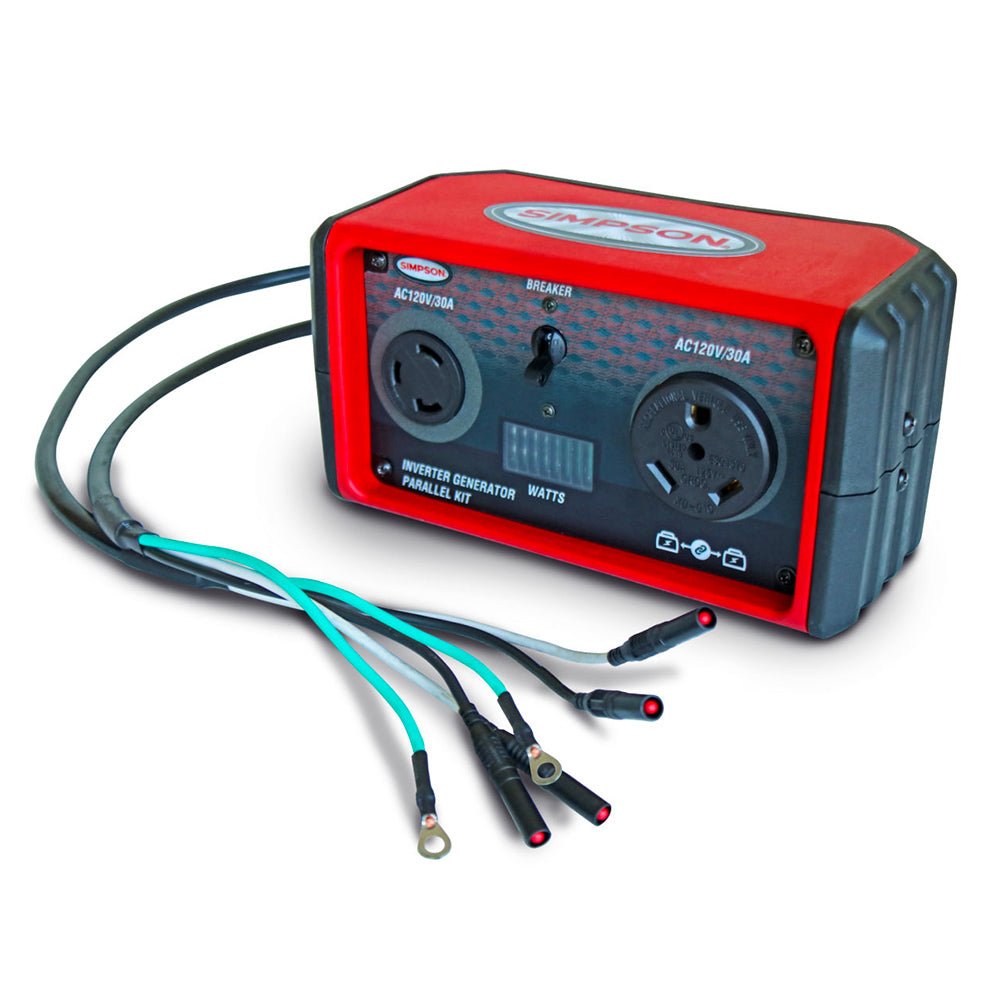
Many inverter generators support parallel operation — connecting two identical units via a parallel kit to double output. Two EcoFlow Smart Generators in parallel can power a larger RV AC without the cost of a single large generator. Check parallel kit compatibility before purchasing a second unit.
Fuel Efficiency on the Road
A 2,000–3,000W inverter generator running at 25% load (typical overnight power draw excluding AC) burns about 0.1–0.2 gallons per hour. A 7-day trip requires 17–34 gallons — plan fuel stops accordingly. Dual-fuel models that run on propane are excellent for RVers who carry onboard propane tanks.
Browse EcoFlow, Anker, DuroStar, and all RV-friendly generators at Pro Tools Hub. Our team can help match your specific RV’s power needs to the right generator.